How Rideshare is Changing Urban Culture
January 18, 2026

January 18, 2026
Rideshare has become more than just a transportation solution; it is now a defining element of modern urban life. As cities grow and evolve, the way people move within them shapes their daily experiences. Mobility is no longer separate from culture — it is a part of it.
The accessibility of rideshare services has changed how people interact with cities. Areas that once felt distant are now easily reachable, encouraging exploration and movement. This has made cities feel smaller, more connected, and more dynamic.
With more people sharing rides, there is a natural exchange of ideas and perspectives. Each journey becomes a small interaction that contributes to a broader cultural experience. These moments, though brief, play a role in shaping urban identity.
Rideshare platforms also influence how people discover local businesses and events. Passengers are often introduced to new places during their rides. This creates opportunities for local economies to grow and thrive.
The integration of local content within rides adds another layer to this cultural shift. Music, stories, and recommendations tied to specific locations make each ride more meaningful. It connects passengers with the essence of the city.
Urban culture is increasingly defined by convenience and speed, and rideshare supports this lifestyle. People can move efficiently without relying on personal vehicles. This changes how they plan their time and activities.
At the same time, rideshare encourages spontaneity. With transportation readily available, people are more likely to explore new areas or attend events they might have otherwise skipped. This adds vibrancy to city life.
The presence of rideshare services also impacts traffic patterns and infrastructure. Cities are adapting to accommodate these changes, influencing urban planning and development. Mobility is shaping the future of city design.
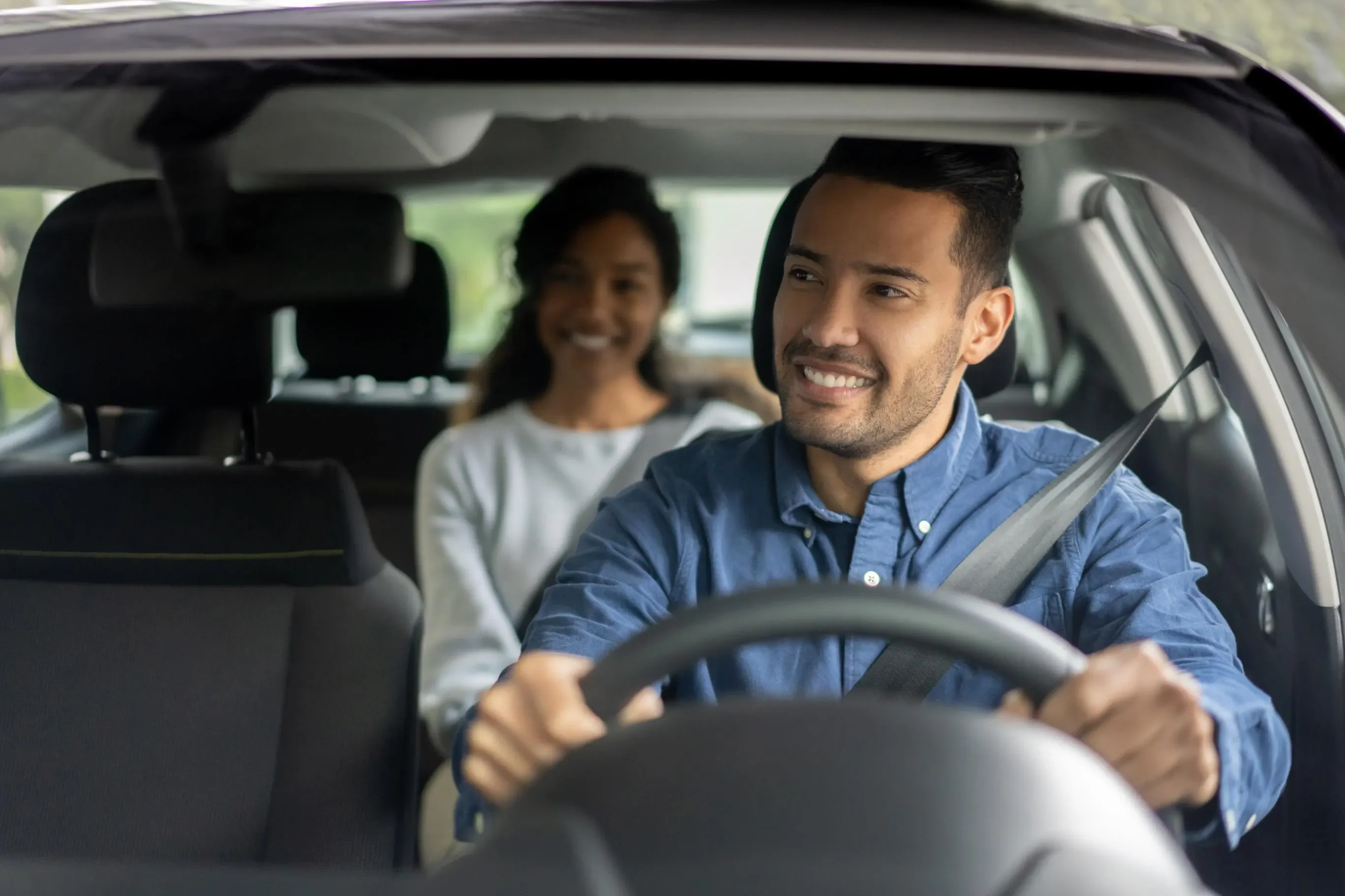
Drivers play an important role in this cultural transformation. As locals, they often share insights, recommendations, and stories with passengers. This creates a more personal and engaging experience.
Safety and trust are essential in building this new urban culture. Reliable rideshare services contribute to a sense of security, especially during late hours. This encourages more people to participate in city life.
Environmental considerations are also part of the conversation. Shared mobility can reduce the number of individual vehicles on the road. This contributes to more sustainable urban living.
Technology continues to enhance the role of rideshare in cities. Features like real-time tracking, route optimization, and digital payments make the experience seamless. This aligns with the fast-paced nature of urban environments.
As rideshare becomes more integrated into daily life, it influences social behavior. People are adapting to a more flexible and on-demand way of living. This shift is redefining modern city culture.
Collaboration between rideshare platforms and local communities can further strengthen this impact. By supporting events, artists, and businesses, they become active participants in cultural growth.
Ultimately, rideshare is not just changing how people travel — it is changing how they experience cities. It connects individuals, communities, and opportunities, shaping a more interactive and evolving urban culture.