Stories That Shape the Sound.
Explore insights, stories, and ideas at the intersection of audio, culture, and urban life. From local music movements to behind-the-scenes platform updates.

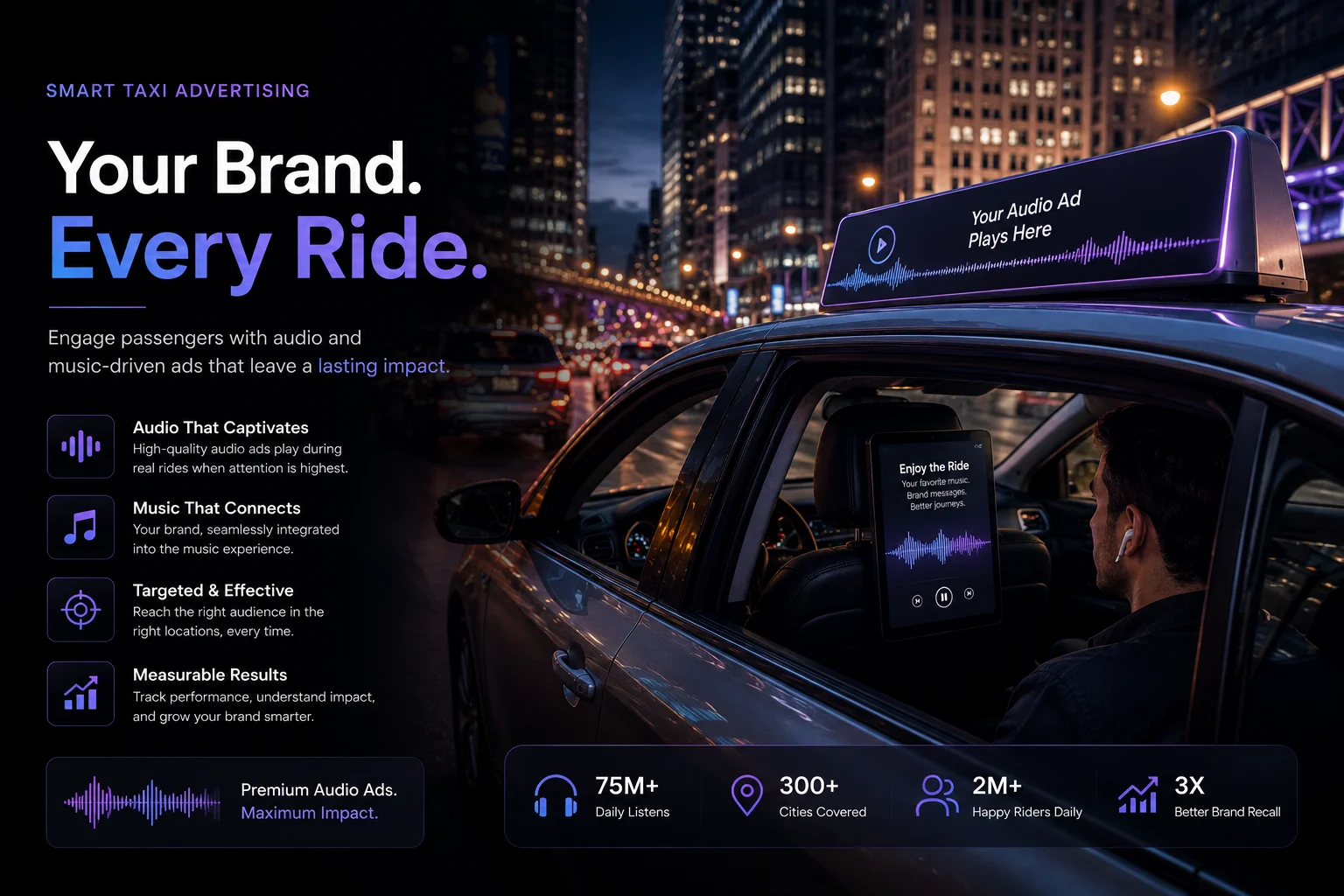
How rideshare cars are becoming the new stages for local artists in the Carolinas.
Local advertising competition grows stronger every single day. Businesses everywhere are fighting for a moment of a consumer's time, making it increasingly difficult to grab and hold audience attention. Traditional methods like static billboards and newspaper placements often blend into the background, leaving brands searching for more effective ways to stand out.
Mobile outdoor advertising is quickly becoming a popular solution to this visibility problem. Instead of hoping a potential customer walks past a specific sign, you can bring the message directly to them. This is exactly where taxi cab advertising comes into play. By placing your message on moving vehicles, you create dynamic brand visibility that travels across entire cities.
Advertising on taxi cabs offers unique advantages for local audience targeting. Your message continuously circulates through busy streets, financial districts, and entertainment hubs. Businesses today need advertising that moves with customers instead of waiting for customers to notice static ads. This naturally leads into why more businesses are investing in taxi advertising campaigns to boost their reach and revenue.
Taxi cab advertising refers to the strategic placement of promotional materials on or inside a taxi. It is a highly effective form of mobile out-of-home (OOH) advertising. Brands essentially use taxis as moving billboards, allowing their campaigns to travel directly through the most populated parts of a city.
Businesses can utilize several different formats for this type of marketing. Exterior taxi advertising typically involves placing large graphics on the doors or sides of the vehicle. Interior taxi advertising engages passengers during their ride using screens or printed materials.
You will also frequently see roof-top taxi ads, which display illuminated messages to pedestrians and other drivers. Full taxi wraps cover the entire vehicle in a brand’s colors and logos for maximum impact. Digital taxi screens add a modern twist, playing video content to passengers or displaying rotating ads on the vehicle's exterior.
When you incorporate ad cab taxi advertising into your marketing strategy, you gain a versatile tool. From advertising on taxi cabs to advertising inside taxi cabs, these vehicles offer multiple touchpoints to connect with your target audience.
Marketers are constantly looking for strategies that offer high daily visibility. Taxis provide exactly that through their constant movement across busy urban areas. Because these vehicles operate around the clock, they deliver repeated brand impressions to a vast and diverse audience. This cost-effective outdoor marketing method ensures your message stays in front of potential buyers all day long.
A single taxi covers a massive amount of ground during a standard shift. These vehicles frequently travel through bustling shopping districts, dropping off eager consumers right at the storefronts. They line up at airports, welcoming travelers and tourists to the city. Taxis also navigate through dense business centers during the morning commute and circle nightlife zones late into the evening. They even drive through quiet residential areas. This extensive travel pattern guarantees your ad will be seen by many different demographic groups.
Repeated exposure is a critical element of successful marketing. When a person sees your brand multiple times in a week, they develop a strong visual familiarity with your logo and messaging. Advertising on taxi cabs naturally facilitates this repetition. As a branded taxi drives past a pedestrian on Monday and then again on Thursday, consumer memory strengthens. This continuous, moving presence makes taxi cab advertising a powerful tool for building long-term brand recognition.
Businesses can choose different ad formats depending on their campaign goals and budget. Every format offers a unique way to capture attention and communicate with potential customers.
Taxi wraps transform the entire vehicle into a colorful, moving canvas. Full wraps cover every painted surface of the car, offering a dramatic and unmissable presentation. Partial wraps might only cover the side panels or the back bumper, providing a more budget-friendly option. Both choices deliver eye-catching vehicle branding. The primary benefits include maximum visibility on the road and a large creative space to feature your products, services, and contact information.
Rooftop illuminated signs are one of the most recognizable forms of mobile marketing. These signs sit securely on the roof of the vehicle, displaying your message to everyone in the vicinity. They offer exceptionally high nighttime visibility because the bright illumination cuts through the darkness. This format guarantees strong urban exposure, as the elevated signs can be seen over the roofs of smaller cars in heavy traffic.
Passengers are highly engaged during rides, making in-cab advertising valuable for brand messaging. People often sit in a taxi for fifteen to thirty minutes with very few distractions. Advertising inside taxi cabs capitalizes on this captive audience. You can use digital screens mounted behind the headrests to play promotional videos. Seat-back ads provide printed reading material right at eye level. Many brands also incorporate QR code promotions, allowing passengers to scan a code with their smartphone to receive an instant discount or download an app.
Technology continues to reshape the OOH marketing landscape. Digital taxi ads include high-definition video ads played on interior screens or exterior digital displays. Advertisers can run interactive promotions that encourage riders to tap a screen to learn more. Some advanced systems even offer geo-targeted campaigns. In a geo-targeted setup, the ad changes based on the taxi's current location. App-connected advertising allows brands to sync their taxi ads with mobile applications, creating a seamless digital experience for the consumer.
Brands frequently choose mobile outdoor advertising over traditional static billboards because mobile ads deliver a dynamic presence. A static billboard only reaches the people who happen to drive down one specific highway. A taxi brings your message to every corner of the city.
Taxis naturally travel through high-traffic areas where people congregate. Because they go where the crowds are, they provide exposure to thousands of people daily. This hyperlocal visibility ensures your marketing budget is spent reaching actual people in your immediate service area, rather than empty rural roads.
Marketing budgets require careful management. When you compare billboards, TV ads, and print media against taxi advertising, the cost per impression strongly favors mobile OOH. Television ads require massive production budgets and expensive airtime slots. Traditional billboards lock you into high monthly lease rates in premium locations. Taxi ads give you city-wide exposure for a fraction of those premium costs, making it a highly cost-effective advertising strategy.
Urban environments are filled with diverse groups of people. A moving taxi ad reaches daily commuters walking to the subway. It catches the eyes of tourists exploring local landmarks. It is seen by office workers stepping out for a lunch break and event attendees leaving a concert. This broad audience reach is difficult to achieve with stationary ad placements.
Digital marketing comes with a major hurdle: ad blockers. People routinely skip YouTube ads, scroll past social media sponsored posts, and install software to hide banner ads. Unlike those digital formats, taxi ads cannot be blocked or skipped. A brightly wrapped vehicle driving down the street demands attention. This physical presence makes advertising on taxi cabs a highly reliable way to ensure your message is actually seen. This undeniable visibility is exactly why taxi cab advertising remains so successful.
Learning how to advertise on taxi cabs involves careful planning and strategic execution. If you want to advertise on taxi cabs and see a high return on investment, you must follow a few critical steps.
Every successful campaign starts with a clear objective. Are you trying to build general brand awareness in a new city? Perhaps you want to drive specific app downloads among commuters. You might be focusing on local promotion for a newly opened storefront, event marketing for an upcoming festival, or generating buzz for new product launches. Defining your goal will shape the design and messaging of your entire campaign.
Select a format that aligns with your specific goals. Exterior wraps work beautifully for broad visibility and brand awareness. Interior ads are perfect for passenger engagement and delivering complex information. Digital ads allow for interactive experiences and quick promotional changes.
While taxis move everywhere, you can often target fleets that operate in specific zones. Focus your campaign on downtown areas filled with corporate professionals. Target airports to reach business travelers and vacationers. Nightlife districts are excellent for food and beverage brands, while shopping zones offer great visibility for retail businesses.
Because taxis are often moving, your design must be immediately understandable. Use bold visuals and high-contrast colors to catch the eye. Keep your messaging short and easily readable from a distance. Include a strong CTA (Call to Action) telling the viewer exactly what to do next. If you are advertising inside the cab, utilize QR codes to bridge the gap between physical media and digital conversion. Always ensure your brand logo is prominent and easy-to-read.
Managing a fleet of branded vehicles requires specialized expertise. Businesses need a reliable advertising partner that simplifies campaign management and maximizes visibility. This is where a dedicated platform like DizzyApp steps in, offering the tools and network necessary to launch a flawless mobile campaign.
Taxi advertising works for both local and national brands. However, certain industries see particularly high engagement rates due to the nature of urban environments.
Hungry commuters and late-night travelers are highly receptive to food advertising. An image of a delicious meal on the side of a taxi can easily prompt a reservation or a delivery app order.
Local urgent care centers, dentists, and specialty clinics use taxi ads to remind the community of their convenient locations. Health messaging builds trust through repeated local visibility.
Tech companies thrive on urban early adopters. Advertising an app inside a taxi gives the passenger plenty of time to scan a QR code and download the software immediately.
Real estate agents and property management firms use vehicle branding to establish local dominance. Seeing a realtor's face on multiple taxis builds immense credibility in a specific neighborhood.
Concerts, theater productions, and local festivals use taxi cab advertising to generate rapid excitement. The bright lights of a taxi top ad pair perfectly with entertainment marketing.
Hotels, tour guides, and local attractions benefit heavily from airport taxi routes. Tourists often look to these vehicles for recommendations on what to do during their stay.
If your business falls into one of these categories, you should strongly consider how you can advertise on taxi cabs to capture local market share.
Managing an outdoor advertising campaign shouldn't be complicated. DizzyApp provides a streamlined approach to mobile marketing, making it easier than ever to get your brand on the road.
DizzyApp uses advanced tracking and analytics to ensure your campaign delivers real value. You can monitor where your ads travel and understand the true reach of your marketing investment.
Every business has different needs and budgets. DizzyApp offers interior ads for deep engagement, exterior branding for massive reach, and digital taxi promotions for dynamic messaging.
By placing your brand on active, moving vehicles, you intercept consumers during their daily routines. This proactive approach yields much higher engagement than waiting for customers to find you.
DizzyApp partners with extensive fleets that cover the most valuable commercial real estate in the city. Your ads will be seen exactly where commerce happens.
The platform removes the friction of traditional media buying. DizzyApp handles campaign setup, precise ad management, and targeted visibility, allowing you to focus on running your business while they handle the marketing logistics.
Even the best marketing channel can underperform if the creative execution is flawed. Avoid using cluttered ad designs. Trying to fit paragraphs of text on the side of a moving vehicle guarantees that nobody will read it. Always include a clear CTA; if people do not know what you want them to do, they will do nothing.
Do not choose the wrong target locations. Advertising a suburban lawn care service on downtown city taxis will result in wasted impressions. Maintain consistent branding across all your marketing channels so that your taxi ads match your website and social media profiles. Finally, avoid poor campaign timing. Do not launch a campaign for a summer festival in late autumn. Strategic planning is essential for maximizing your return on investment in taxi cab advertising.
The OOH marketing industry is rapidly modernizing. Digital taxi ads are becoming brighter, sharper, and more energy-efficient. AI-powered targeting is beginning to dictate which digital ads play based on the time of day, current weather, and local traffic patterns.
QR-based interaction will continue to grow, bridging the gap between the physical ad and the digital checkout cart. We will also see further integration into smart city advertising ecosystems, where taxi ads communicate with nearby digital billboards for synchronized brand takeovers. App-connected campaigns will allow passengers to interact directly with the taxi's screens using their own smartphones. Taxi advertising is evolving far beyond traditional outdoor advertising into a highly connected digital experience.
Mobile marketing provides an unparalleled opportunity to capture local attention. By choosing to invest in moving billboards, you ensure your message reaches consumers where they live, work, and play. The massive visibility, cost-effectiveness, and non-skippable nature of these campaigns make them a vital part of a modern marketing mix.
Whether you utilize a full exterior wrap or choose advertising inside taxi cabs to engage captive passengers, the results speak for themselves. Understanding how to advertise on taxi cabs allows you to bypass the noise of the digital world and place your brand directly in the real world. Encourage your marketing team to explore the smarter mobile advertising opportunities available with DizzyApp to take your brand visibility to the next level.
Yes, it is highly effective. Taxis constantly circulate through local neighborhoods, shopping centers, and business districts, ensuring that your marketing budget is spent reaching the exact people who live and work near your business.
Costs vary widely depending on the format, city, and campaign duration. An interior seat-back ad will cost significantly less than a full exterior vehicle wrap. However, it generally offers a much lower cost-per-impression than television or premium static billboards.
Businesses typically partner with a dedicated mobile advertising platform or fleet management company. These partners help design the creative materials, select the appropriate ad formats, install the ads on the vehicles, and track the campaign's performance.
Interior ads capitalize on a captive audience. Passengers are usually in the vehicle for extended periods, giving them plenty of time to read detailed messaging, watch promotional videos on digital screens, and scan QR codes to engage with your brand immediately.
While most industries can benefit, it is particularly powerful for restaurants, healthcare clinics, real estate agents, tech startups, and tourism-based businesses. These industries thrive on local visibility and immediate consumer action.
It offers a different, often more dynamic set of advantages. While a billboard reaches people driving past a single location, a taxi ad moves with the crowds, reaching pedestrians, commuters, and tourists across multiple neighborhoods throughout the entire day.
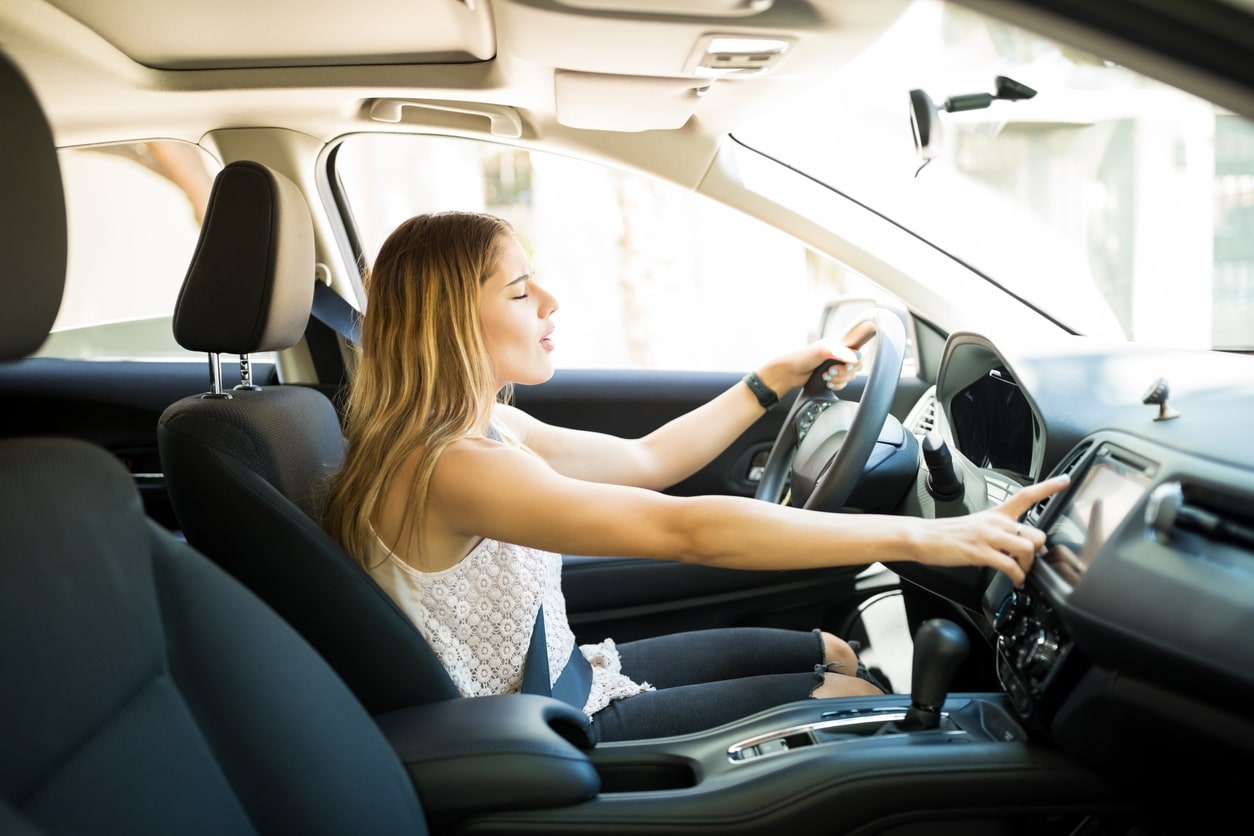
The future of rideshare is not just about individual rides but about creating a fully connected ecosystem. Every part of the journey, from booking to arrival, is becoming more integrated and seamless. This shift is redefining how people interact with mobility services.
A connected ecosystem ensures that riders, drivers, and platforms work in harmony. Each element contributes to a smoother and more efficient experience. This level of coordination improves both convenience and reliability.
Technology is the backbone of this transformation. Cloud systems, real-time data, and advanced algorithms enable continuous communication between different components. This allows for faster decision-making and better service delivery.
For riders, a connected system means fewer disruptions and more predictability. From accurate ETAs to seamless payments, every step is designed to reduce friction. This creates a more satisfying overall experience.
Drivers also benefit from better connectivity. Real-time updates, optimized routes, and efficient ride management tools make their work easier. This improves productivity and reduces stress.
Integration with other services is another key aspect of this ecosystem. Rideshare platforms are connecting with navigation tools, entertainment systems, and local services. This expands the value of each ride.
Data plays a crucial role in building and maintaining this network. By analyzing patterns and behaviors, platforms can continuously improve their services. This leads to smarter and more adaptive systems.
Partnerships are essential for a strong ecosystem. Collaborations with local businesses, content creators, and technology providers enhance the overall experience. This creates a more diverse and engaging platform.
User experience is at the center of this connected approach. Every feature and interaction is designed with the goal of improving satisfaction. This ensures that the system remains user-focused.
Security and privacy are critical in a connected environment. Protecting user data and ensuring safe interactions builds trust. Without this foundation, the ecosystem cannot succeed.
Scalability is another important factor. As demand grows, the system must be able to handle increased usage without compromising performance. This requires strong infrastructure and planning.
Innovation continues to drive the evolution of connected mobility. New technologies and ideas are constantly being introduced. This keeps the ecosystem dynamic and forward-looking.
Sustainability is also becoming part of the conversation. Connected systems can optimize routes and reduce unnecessary travel. This contributes to more environmentally friendly mobility solutions.
As more elements become interconnected, the line between transportation and experience continues to blur. Rides are no longer isolated events but part of a larger journey. This creates new opportunities for engagement.
Ultimately, a connected ride ecosystem transforms how people move and interact with their environment. It brings together technology, people, and experiences into one seamless journey, shaping the future of mobility.
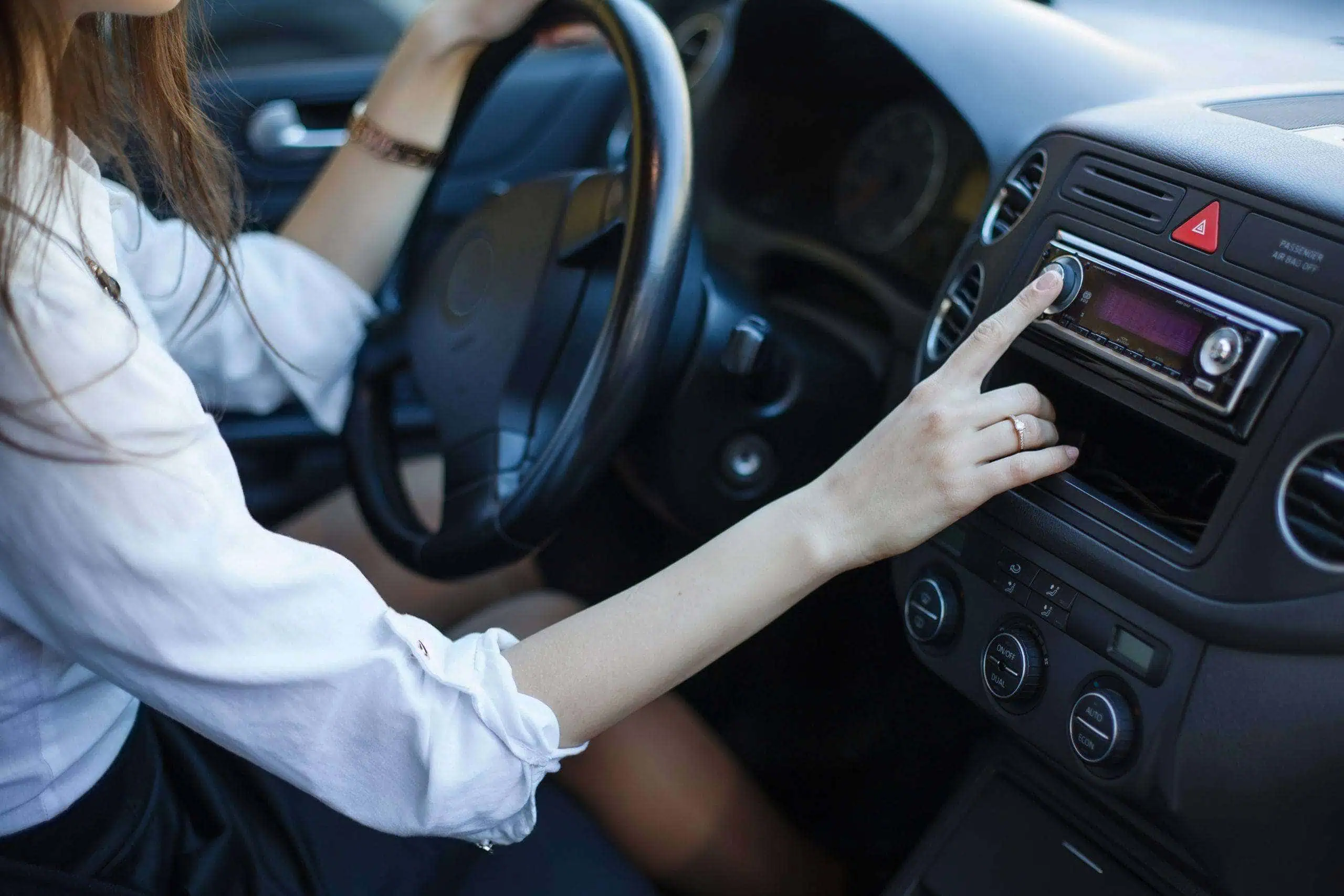
Advertising is undergoing a major transformation, and rideshare is at the center of this shift. Traditional formats are losing effectiveness as audiences become more selective about what they engage with. In-car advertising offers a fresh and highly focused environment.
Inside a rideshare vehicle, passengers are in a unique state of attention. They are not scrolling endlessly or multitasking heavily. This creates an opportunity for brands to deliver messages in a more meaningful way.
Unlike billboards or online ads, in-car advertising feels less crowded. There is less competition for attention, allowing messages to stand out. This increases the chances of engagement and recall.
Audio-based advertising is particularly effective in this setting. It blends naturally into the ride experience and feels less intrusive. Passengers are more likely to listen without feeling interrupted.
Context plays a crucial role in making advertising relevant. Content can be tailored based on location, time, or even the type of journey. This makes the message feel timely and personalized.
Storytelling is becoming a key strategy in in-car advertising. Instead of direct promotions, brands are focusing on narratives that connect emotionally. This approach creates stronger and more lasting impressions.
Visual elements can also enhance the experience when used carefully. Screens inside vehicles can display subtle, relevant content. This adds another layer of engagement without overwhelming the passenger.
For brands, this environment offers high-quality interaction time. Unlike short digital impressions, rides provide a longer window for communication. This allows for deeper storytelling and better connection.
Measurement and analytics are improving in this space. Platforms can track engagement, preferences, and outcomes more effectively. This helps brands refine their strategies and improve results.
Drivers play a role in maintaining the balance of this experience. Ensuring that advertising does not disrupt the comfort of the ride is essential. A well-integrated approach benefits everyone involved.
The non-intrusive nature of in-car advertising is one of its biggest strengths. When done correctly, it adds value rather than annoyance. This improves user perception of both the platform and the brand.
As privacy concerns grow, transparency becomes important. Users need to understand how their data is used to deliver content. Clear communication builds trust and acceptance.
Innovation in this field is accelerating. New formats, technologies, and creative approaches are constantly emerging. This keeps the experience fresh and engaging.
Competition among brands is also increasing in this space. As more companies recognize its potential, creativity becomes a key differentiator. Unique and thoughtful campaigns stand out the most.
Ultimately, in-car advertising represents the future of brand communication in mobility. It combines attention, relevance, and engagement in a way that few other channels can match.
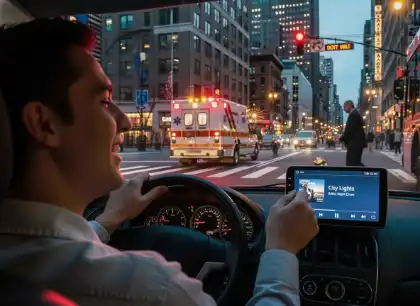
Personalization is rapidly becoming a defining factor in modern user experiences, and mobility is no exception. Today’s riders expect services that adapt to their individual preferences. A one-size-fits-all approach is no longer enough in a competitive market.
Rideshare platforms are increasingly using data to understand user behavior. This allows them to offer tailored experiences that feel more relevant and engaging. Personalization turns an ordinary ride into something uniquely suited to each passenger.
From preferred music to ideal temperature settings, small details can make a big difference. These personalized touches create a sense of comfort and familiarity. It makes users feel valued and understood.
Artificial intelligence plays a major role in enabling personalization. By analyzing patterns and preferences, AI systems can make real-time adjustments. This ensures that every ride aligns with the passenger’s expectations.
Personalization also enhances efficiency. By understanding user habits, platforms can suggest optimal routes, pickup points, and timing. This reduces friction and improves the overall experience.
For passengers, personalization creates a stronger emotional connection. When a service consistently meets their preferences, it builds trust and loyalty. This leads to higher retention and satisfaction.
Drivers also benefit from personalized insights. Information about rider preferences can help them deliver better service. This improves interactions and creates smoother journeys.
In-car entertainment is one of the most visible areas of personalization. Curated playlists, podcasts, and content recommendations make rides more engaging. This transforms travel time into a more enjoyable experience.
Privacy and data security are important considerations in this process. Users need to trust that their information is handled responsibly. Transparent policies and secure systems are essential for building confidence.
Personalization can also support accessibility. By adapting to individual needs, platforms can create more inclusive experiences. This ensures that a wider range of users can benefit from the service.
Brands can leverage personalization to deliver more relevant messaging. Instead of generic ads, they can create content that aligns with user interests. This increases engagement and effectiveness.
As technology continues to evolve, personalization will become even more advanced. Real-time data and predictive analytics will enable deeper levels of customization. This will further enhance the user experience.
Competition in the mobility industry is driving innovation in personalization. Companies are constantly looking for new ways to stand out. Offering a tailored experience is one of the most effective strategies.
The shift toward personalization reflects a broader trend across industries. Users expect services that adapt to them, not the other way around. Mobility platforms must keep up with these expectations.
Ultimately, personalization is shaping the future of rideshare. It transforms transportation into a user-centric experience, where every journey feels unique, comfortable, and meaningful.
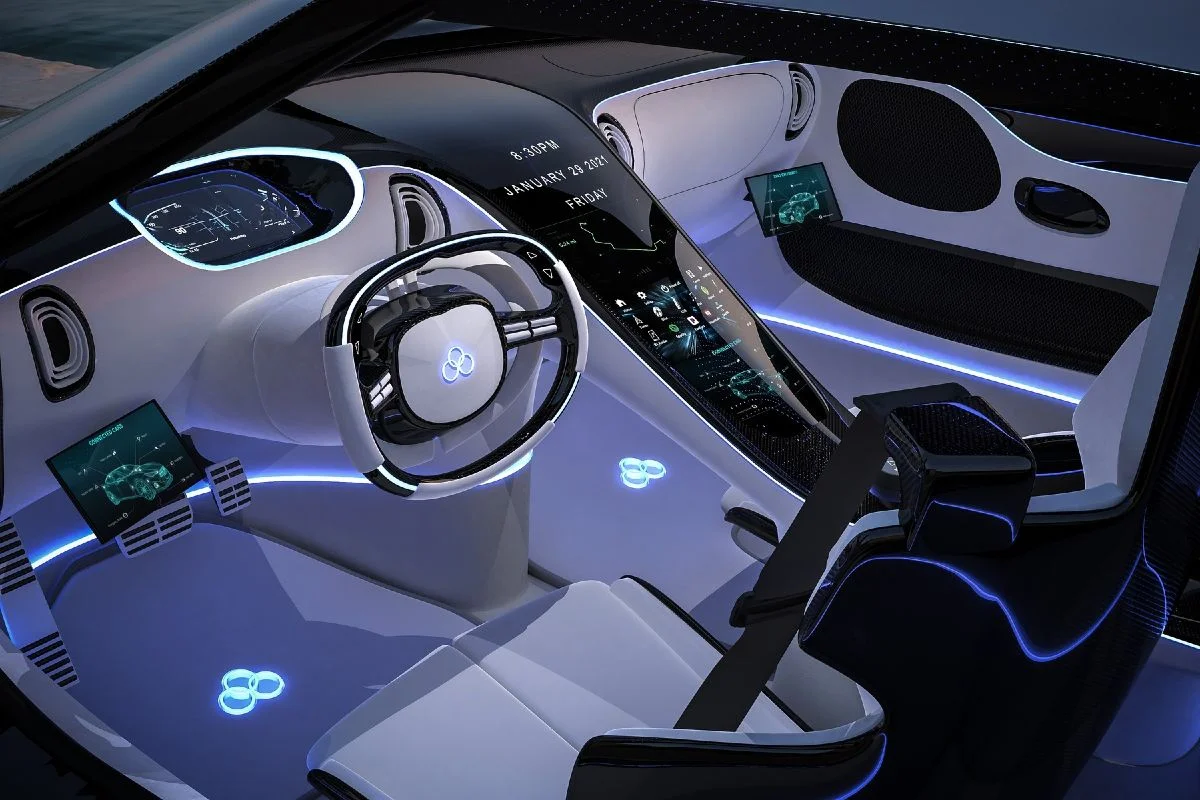
Rideshare is evolving far beyond its original purpose of simple transportation. What once started as a convenient way to move through cities is now becoming an experience-driven journey. Riders today expect more than just reaching their destination; they want comfort, engagement, and a sense of connection throughout the ride.
This shift is being driven by changing consumer behavior and rising expectations. Modern users are accustomed to personalized digital experiences in every aspect of life. Naturally, they now expect the same level of personalization when they step into a rideshare vehicle.
Technology plays a central role in enabling these new experiences. From AI-powered recommendations to smart in-car systems, rides are becoming more intelligent and adaptive. These innovations allow platforms to tailor each ride based on user preferences and behavior.
Audio is one of the most powerful tools in this transformation. Unlike visual content, audio enhances the environment without demanding attention. It creates a seamless layer of engagement that complements the ride rather than distracting from it.
Curated playlists, local artist features, and storytelling formats are redefining how passengers spend their time in transit. Instead of passive commuting, riders are now part of an immersive experience that feels intentional and meaningful.
For brands, this evolution opens a completely new channel for communication. The rideshare environment offers a unique opportunity to connect with audiences in a focused and uninterrupted setting. This leads to stronger recall and deeper emotional impact.
Drivers are also benefiting from this shift toward experiential rides. Enhanced in-car environments often lead to better passenger satisfaction, which translates into higher ratings and improved earnings. It creates a positive feedback loop within the ecosystem.
Cities themselves are becoming part of the experience. As rides incorporate local culture, music, and stories, they reflect the identity of the places they move through. This makes each journey feel unique to its location.
The concept of “dead time” during travel is rapidly disappearing. What was once seen as unproductive time is now being transformed into moments of discovery, relaxation, or entertainment. This redefinition adds value to every ride.
User engagement is becoming a key metric for success in the mobility space. Platforms are no longer judged solely on efficiency but also on the quality of experience they deliver. This marks a major shift in how success is measured.
The integration of smart interfaces further enhances this experience. Touchpoints within the vehicle allow passengers to interact with content, control settings, and customize their environment with ease.
Safety and comfort remain foundational, but they are now complemented by emotional and experiential elements. This holistic approach ensures that every aspect of the ride contributes to overall satisfaction.
As competition in the rideshare industry grows, differentiation becomes critical. Offering a superior experience is one of the most effective ways to stand out in a crowded market.
Looking ahead, experiential rides will likely become the standard rather than the exception. Early adopters of this approach are setting the benchmark for what modern mobility should look like.
Ultimately, the future of rideshare is not just about movement — it is about creating meaningful moments in motion. Companies that understand this will lead the next generation of transportation.

Storytelling has always been a powerful way to connect with people, but its impact becomes even stronger in the right environment. A rideshare journey offers a unique setting where passengers are relaxed and open to new ideas. This makes it an ideal moment for meaningful storytelling.
Unlike traditional media, storytelling in motion feels more natural and less intrusive. Passengers are not actively searching for content, yet they are more receptive to it. This creates an opportunity to deliver messages that feel engaging rather than forced.
Audio plays a major role in bringing these stories to life. Through voice, music, and sound design, narratives can create emotional connections. This transforms a simple ride into a memorable experience.
Short-form storytelling is particularly effective in rideshare environments. Since most trips are limited in time, concise and impactful narratives work best. These stories leave a lasting impression without requiring long attention spans.
Brands can use storytelling to communicate their values in a subtle way. Instead of direct advertising, they can share stories that resonate with the audience. This builds trust and creates a deeper connection.
Local stories add authenticity to the experience. Narratives about neighborhoods, culture, and people make rides feel more personal. This helps passengers feel more connected to the city they are traveling through.
Drivers can also contribute to storytelling. Their experiences and interactions often add a human touch to the journey. This creates a more genuine and relatable atmosphere.
The emotional aspect of storytelling is what makes it so powerful. A well-told story can inspire, entertain, or even change perspectives. This makes it a valuable tool for both engagement and communication.
Technology enables storytelling to be more dynamic and personalized. Content can be tailored based on location, time, or user preferences. This ensures that each story feels relevant to the listener.
The combination of movement and narrative creates a unique experience. As passengers travel through the city, the story unfolds alongside the journey. This adds a layer of immersion that static media cannot provide.
Storytelling in rideshare also helps fill what was once considered idle time. Instead of silence or distraction, passengers engage with meaningful content. This enhances the overall quality of the ride.
For advertisers, this approach offers a new way to reach audiences. Stories are more memorable than traditional ads, leading to better recall. This makes storytelling a more effective communication strategy.
Consistency is important in building a strong storytelling experience. Regularly updated content keeps passengers engaged and interested. It encourages them to look forward to future rides.
As competition increases, unique experiences become a key differentiator. Storytelling provides a creative way to stand out. It transforms rides into something more than just transportation.
Ultimately, storytelling in motion turns every journey into an opportunity. It connects people with ideas, emotions, and experiences, making each ride meaningful and memorable.

In today’s digital world, global content dominates most platforms, but local content is becoming increasingly valuable. It brings authenticity, relatability, and a deeper sense of connection that global media often lacks. People naturally connect more with stories that reflect their own surroundings.
Rideshare platforms offer a unique opportunity to highlight local culture in a meaningful way. Every ride becomes a chance to introduce passengers to the identity of a city. This transforms transportation into a cultural experience rather than just a commute.
Local music is one of the strongest ways to build this connection. Featuring regional artists inside rides creates a sense of pride and discovery. Passengers are exposed to sounds they may not find on mainstream platforms.
Beyond music, storytelling plays a key role in promoting local content. Short audio stories about neighborhoods, history, or communities can make rides more engaging. It turns ordinary travel time into an opportunity to learn something new.
For creators, this creates a powerful platform for exposure. Local artists, storytellers, and voices get access to audiences in a natural and organic setting. This helps build stronger creative ecosystems within cities.
Passengers benefit from a more personalized and meaningful experience. Instead of generic content, they interact with something that feels relevant to their location. This enhances both engagement and satisfaction.
Local content also strengthens the emotional connection between users and the platform. When people feel represented, they are more likely to trust and stay loyal. This creates long-term value for rideshare services.
Cities themselves become part of the storytelling process. Each ride reflects the unique character of its environment. This adds depth and identity to the overall mobility experience.
Supporting local content also contributes to economic growth. It creates opportunities for artists and small creators to monetize their work. This helps sustain creative communities over time.
Technology makes it easier to deliver hyper-local experiences. Platforms can use location data to serve relevant content based on where the ride is happening. This ensures that every journey feels contextual and fresh.
There is also a growing demand for authenticity among modern users. People are moving away from overly polished, generic content. They prefer real, relatable experiences that feel genuine.
Local content aligns perfectly with this shift. It offers raw, real, and culturally rich experiences that resonate more deeply. This makes it a powerful tool for engagement.
Brands can also benefit from integrating local narratives into their messaging. It allows them to connect with audiences in a more meaningful way. This approach feels less like advertising and more like storytelling.
As competition increases, differentiation becomes critical. Local content provides a unique advantage that is difficult to replicate. It helps platforms stand out in a crowded market.
Ultimately, local content transforms rides into journeys of discovery. It connects people to places, stories, and communities, making every trip more than just movement.
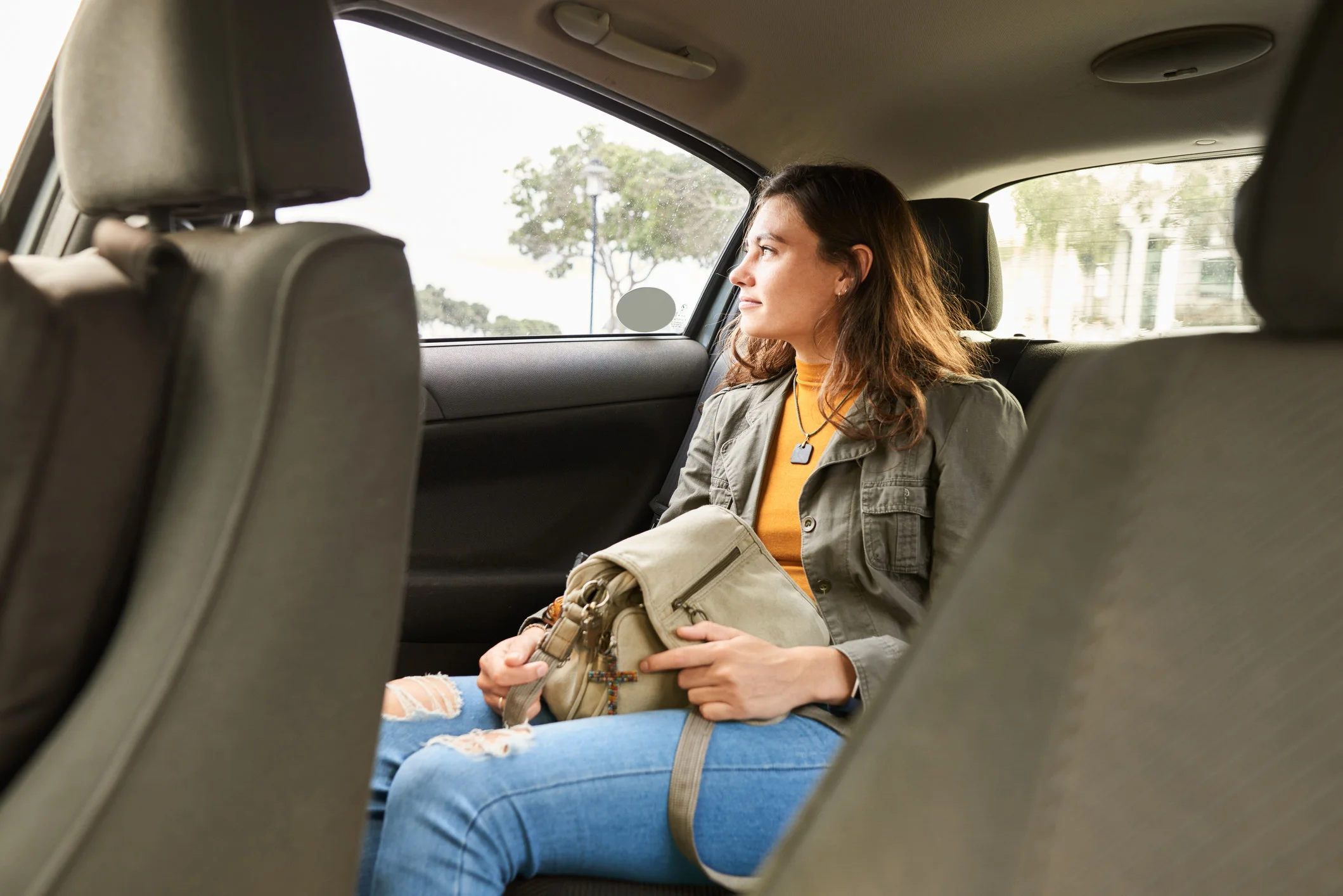
Audio is quickly becoming one of the most powerful elements in modern rideshare experiences. Unlike visual media, it does not demand constant attention, making it perfect for a moving environment. It blends naturally into the background while still delivering meaningful engagement.
In a rideshare setting, passengers are often looking for a balance between relaxation and stimulation. Audio provides that balance by creating an atmosphere rather than a distraction. It enhances the journey without overwhelming the senses.
The rise of curated audio content is changing how people experience travel time. From personalized playlists to location-based storytelling, every ride can now feel unique. This level of customization makes each journey more memorable.
Local music integration is a major part of this transformation. By showcasing artists from the region, rides become culturally rich experiences. Passengers get to discover new sounds while feeling more connected to the city around them.
Podcasts and short-form audio stories are also gaining popularity within rideshare environments. These formats allow riders to engage with meaningful content even during short trips. It turns idle time into valuable moments of learning or entertainment.
For advertisers, audio opens a new and effective communication channel. Unlike traditional ads, audio messages can feel more natural and less intrusive. This increases the likelihood that users will actually listen and remember the message.
Emotional connection is one of the biggest strengths of audio. Music and voice have the ability to influence mood and create lasting impressions. This makes audio a powerful tool for both engagement and branding.
Drivers also benefit from enhanced audio experiences. A well-curated sound environment can improve the overall atmosphere of the ride. This often leads to better interactions and higher passenger satisfaction.
Technology is making audio experiences smarter and more adaptive. AI-driven systems can recommend content based on time, location, or user preferences. This ensures that the audio always feels relevant and timely.
The simplicity of audio is what makes it so effective. It does not require screens or visual focus, allowing passengers to relax while still being engaged. This makes it ideal for a variety of ride scenarios.
Audio also supports accessibility in ways that visual content cannot. It allows a wider range of users to engage with content comfortably. This inclusivity adds to its overall value.
As attention spans continue to shrink, non-intrusive engagement becomes more important. Audio fits perfectly into this need by delivering content in a subtle yet impactful way. It respects the user’s space while still adding value.
The integration of branded audio experiences is opening new possibilities for storytelling. Brands can now connect with users in a more personal and immersive way. This goes beyond traditional advertising formats.
Looking ahead, audio will become a standard feature in experiential mobility. It will no longer be an add-on but a core part of the ride experience. Platforms that invest in this early will gain a strong advantage.
Ultimately, audio transforms rides from simple commutes into engaging journeys. It adds depth, emotion, and meaning to every trip, making the experience far more than just transportation.
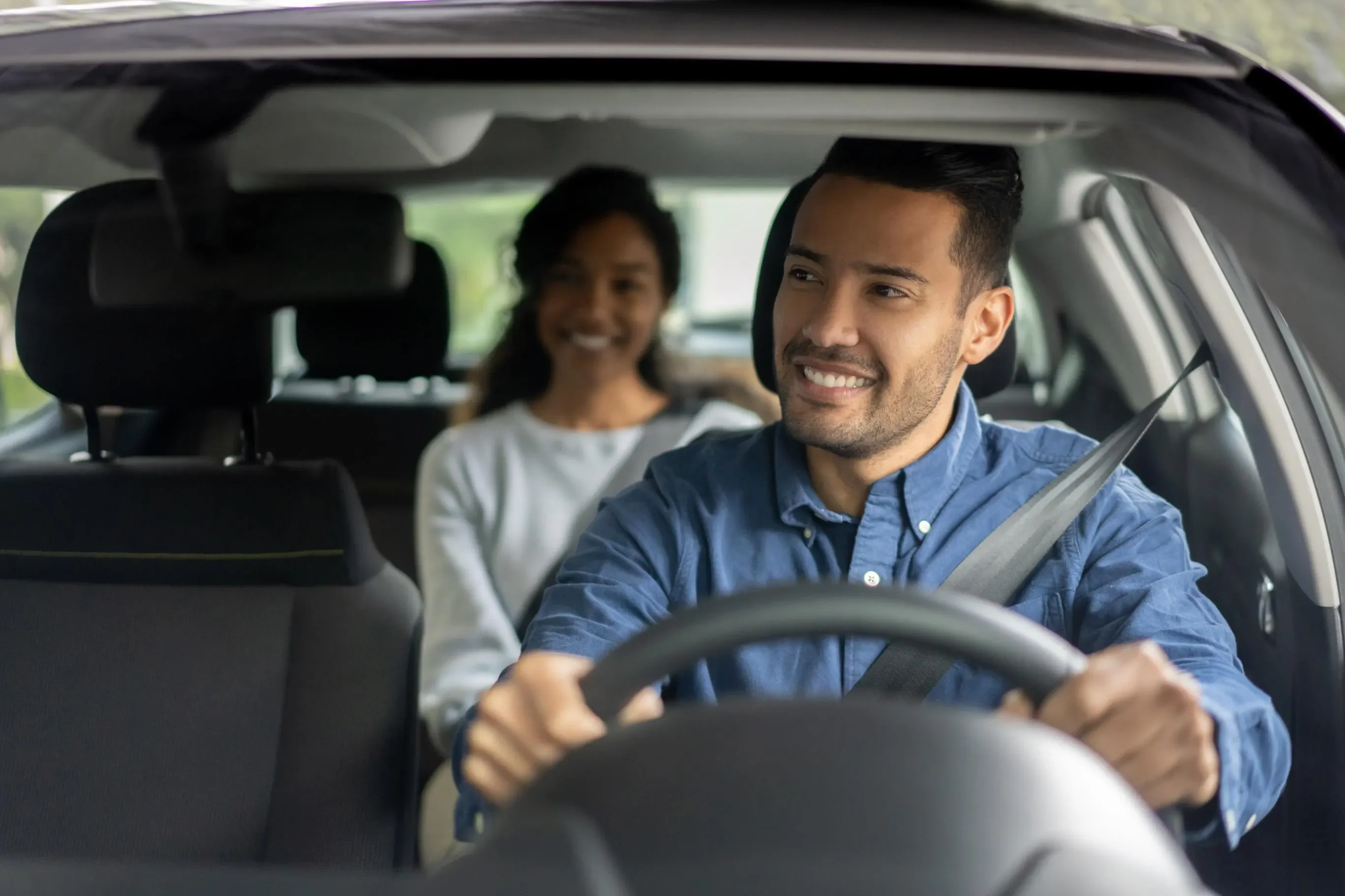
Rideshare has become more than just a transportation solution; it is now a defining element of modern urban life. As cities grow and evolve, the way people move within them shapes their daily experiences. Mobility is no longer separate from culture — it is a part of it.
The accessibility of rideshare services has changed how people interact with cities. Areas that once felt distant are now easily reachable, encouraging exploration and movement. This has made cities feel smaller, more connected, and more dynamic.
With more people sharing rides, there is a natural exchange of ideas and perspectives. Each journey becomes a small interaction that contributes to a broader cultural experience. These moments, though brief, play a role in shaping urban identity.
Rideshare platforms also influence how people discover local businesses and events. Passengers are often introduced to new places during their rides. This creates opportunities for local economies to grow and thrive.
The integration of local content within rides adds another layer to this cultural shift. Music, stories, and recommendations tied to specific locations make each ride more meaningful. It connects passengers with the essence of the city.
Urban culture is increasingly defined by convenience and speed, and rideshare supports this lifestyle. People can move efficiently without relying on personal vehicles. This changes how they plan their time and activities.
At the same time, rideshare encourages spontaneity. With transportation readily available, people are more likely to explore new areas or attend events they might have otherwise skipped. This adds vibrancy to city life.
The presence of rideshare services also impacts traffic patterns and infrastructure. Cities are adapting to accommodate these changes, influencing urban planning and development. Mobility is shaping the future of city design.
Drivers play an important role in this cultural transformation. As locals, they often share insights, recommendations, and stories with passengers. This creates a more personal and engaging experience.
Safety and trust are essential in building this new urban culture. Reliable rideshare services contribute to a sense of security, especially during late hours. This encourages more people to participate in city life.
Environmental considerations are also part of the conversation. Shared mobility can reduce the number of individual vehicles on the road. This contributes to more sustainable urban living.
Technology continues to enhance the role of rideshare in cities. Features like real-time tracking, route optimization, and digital payments make the experience seamless. This aligns with the fast-paced nature of urban environments.
As rideshare becomes more integrated into daily life, it influences social behavior. People are adapting to a more flexible and on-demand way of living. This shift is redefining modern city culture.
Collaboration between rideshare platforms and local communities can further strengthen this impact. By supporting events, artists, and businesses, they become active participants in cultural growth.
Ultimately, rideshare is not just changing how people travel — it is changing how they experience cities. It connects individuals, communities, and opportunities, shaping a more interactive and evolving urban culture.
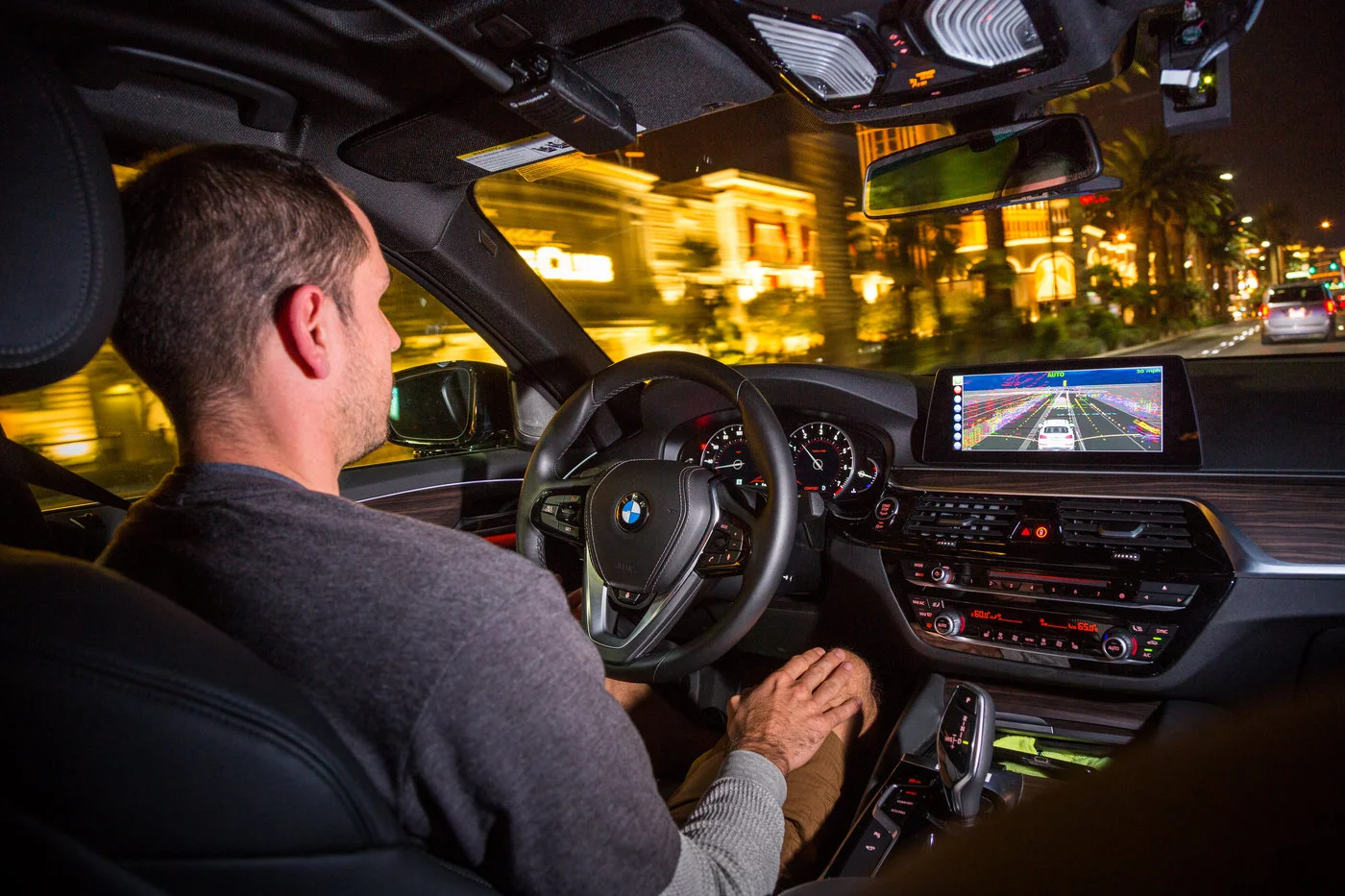
The modern vehicle is no longer just a mode of transportation; it is rapidly evolving into a smart, connected environment. With the integration of advanced technology, cars are becoming intelligent spaces that enhance every aspect of the ride. This shift is redefining what passengers expect from mobility.
Smart in-car experiences are driven by the demand for convenience and personalization. Passengers want more control over their environment, from temperature and lighting to entertainment and content. These features create a sense of comfort that feels tailored to each individual.
Artificial intelligence is playing a key role in powering these experiences. By analyzing user preferences and behavior, AI can adjust settings automatically. This makes each ride feel seamless and intuitive without requiring constant input from the user.
Interactive interfaces are becoming a standard feature in modern vehicles. Touchscreens and voice commands allow passengers to engage with the system easily. This creates a more dynamic and user-friendly experience inside the car.
Entertainment is also evolving within the rideshare environment. Passengers can access curated audio, video, and interactive content during their journey. This transforms travel time into an opportunity for relaxation or engagement.
Connectivity is at the heart of smart in-car systems. With internet-enabled features, vehicles can deliver real-time updates, navigation insights, and personalized recommendations. This keeps passengers informed and engaged throughout the ride.
Safety remains a top priority in the development of these technologies. Smart systems can assist drivers with navigation, alerts, and monitoring tools. This ensures a smoother and more secure journey for everyone involved.
For drivers, smart features can significantly improve efficiency. Tools that optimize routes, manage ride requests, and provide insights help reduce stress and increase productivity. This creates a better working experience overall.
The integration of smart systems also opens new opportunities for businesses. Brands can connect with passengers through contextual and relevant content. This creates a more meaningful interaction compared to traditional advertising.
Customization is one of the biggest advantages of smart in-car experiences. Passengers can tailor their ride according to their mood or preferences. This level of flexibility enhances satisfaction and comfort.
As vehicles become more advanced, they are starting to function like digital hubs. They connect users to a broader ecosystem of services and content. This expands the role of the car beyond transportation.
User data plays an important role in enabling these features. When used responsibly, it allows platforms to deliver highly personalized experiences. This improves both engagement and overall quality of service.
The competition in the mobility industry is pushing rapid innovation. Companies are constantly exploring new ways to enhance the in-car experience. This leads to continuous improvements and new features for users.
Looking ahead, smart in-car experiences will become a standard expectation rather than a luxury. As technology becomes more accessible, these features will be integrated into most rideshare platforms.
Ultimately, the rise of smart in-car experiences is transforming how people perceive travel. It is no longer just about reaching a destination but about enjoying the journey in a smarter, more connected way.
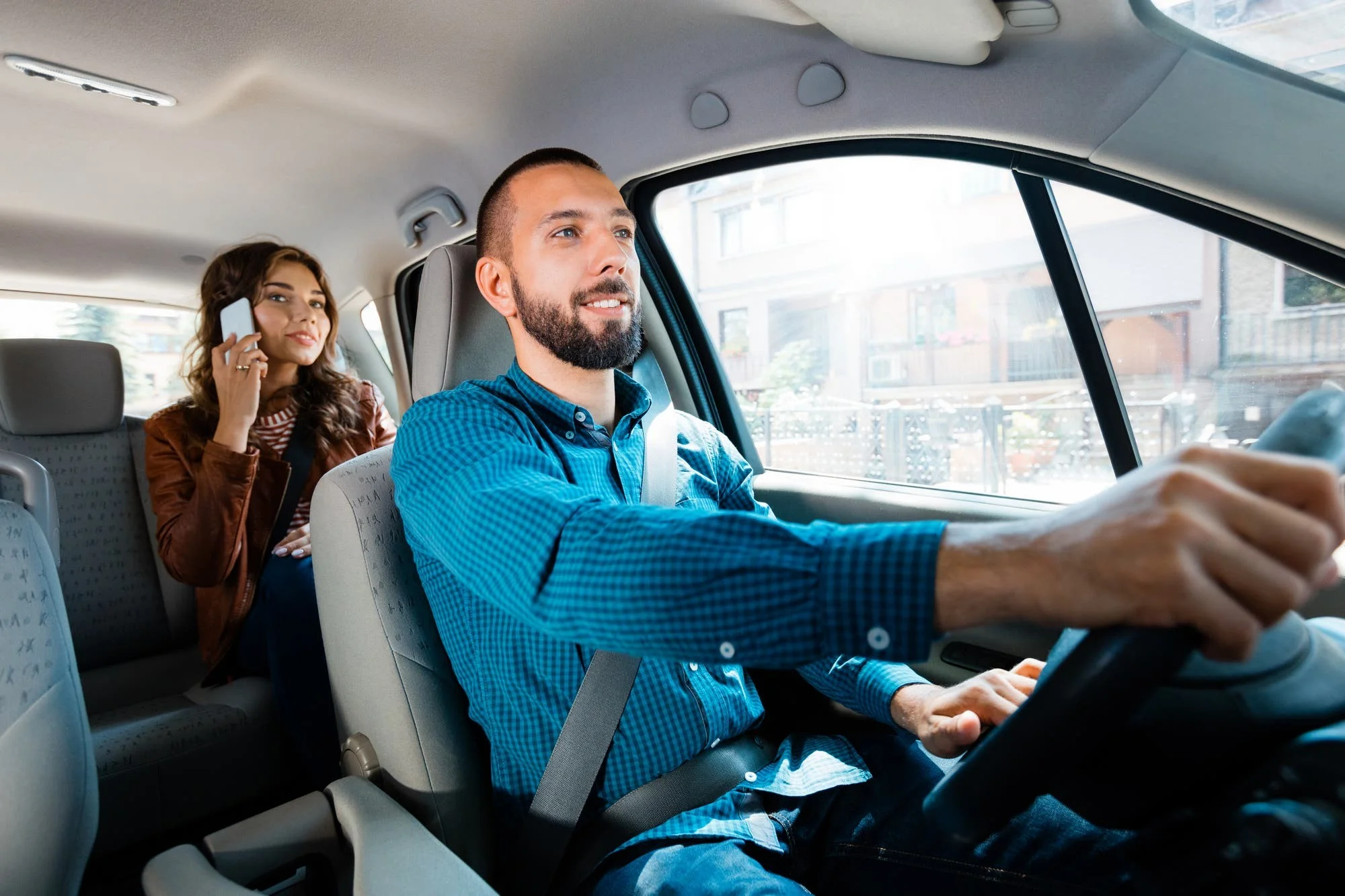
Behind every great rideshare experience is a driver who makes the journey smooth, safe, and comfortable. While technology continues to evolve, the human element remains at the core of mobility. Drivers are not just service providers; they are key contributors to the overall experience.
A positive driver experience directly impacts passenger satisfaction. When drivers feel respected and supported, they are more likely to deliver high-quality service. This creates a better atmosphere for both riders and drivers.
Providing drivers with the right tools is essential for success. From efficient navigation systems to clear communication features, technology can simplify daily tasks. This reduces stress and allows drivers to focus on delivering a great ride.
Fair earnings and incentives play a crucial role in driver satisfaction. When drivers feel that their efforts are valued, they are more motivated to perform well. This leads to better service and stronger platform loyalty.
Comfort is another important factor in the driver experience. Long hours on the road can be physically demanding, so ergonomic seating and in-car enhancements can make a big difference. A comfortable driver is more focused and attentive.
Training and support systems also contribute to better performance. Providing guidance on customer interaction, safety, and platform features helps drivers feel more confident. This results in smoother and more professional rides.
Technology can enhance the relationship between drivers and passengers. Features like ride preferences, ratings, and feedback systems create transparency. This helps build trust and mutual respect.
Recognition and rewards can significantly boost driver morale. Highlighting top performers and offering incentives encourages drivers to maintain high standards. It creates a sense of achievement and motivation.
Flexibility is one of the main reasons many people choose rideshare driving. Allowing drivers to control their schedules gives them a better work-life balance. This freedom is a key advantage of the gig economy.
Safety is a top priority for drivers as well as passengers. Providing safety features, emergency support, and clear guidelines ensures a secure working environment. This builds confidence and reliability.
A strong driver community can enhance the overall ecosystem. When drivers feel connected and supported, they are more likely to share knowledge and help each other. This creates a collaborative environment.
Feedback systems are essential for continuous improvement. Listening to drivers and implementing their suggestions helps platforms evolve. It shows that their voices are valued and respected.
As the industry grows, driver expectations are also increasing. Platforms need to adapt by offering better tools, support, and opportunities. This ensures long-term sustainability.
Investing in driver experience is not just beneficial — it is necessary. It directly influences service quality, customer satisfaction, and platform success. A strong driver foundation leads to a strong business.
Ultimately, drivers are the heart of every rideshare journey. By prioritizing their experience, platforms can create better rides, stronger relationships, and a more successful ecosystem.
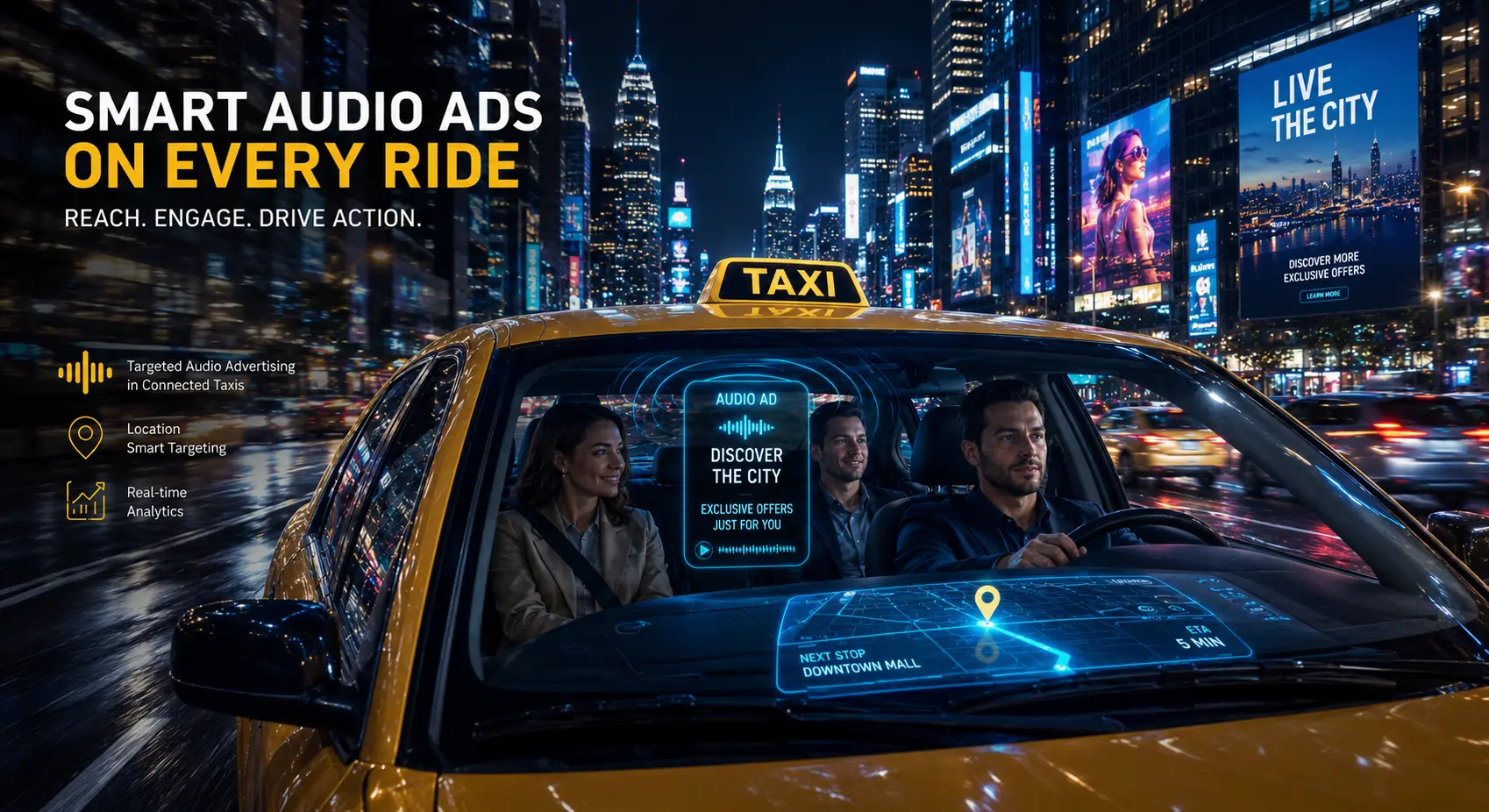
Quick answer: Taxi Audio Advertising transforms digital audio advertising by delivering geo-targeted, non-skippable audio messages to captive audiences inside rideshare vehicles. In 2026, businesses leverage modern audio advertising platforms to run location-aware campaigns, increasing local brand awareness and customer engagement during daily commutes.
Advertising becomes increasingly mobile and highly personalized in 2026. Consumers spend countless hours in transit, commuting to work, attending events, or exploring their cities. Brands actively search for smarter ways to connect with these audiences during daily travel, moving away from static billboards and easily ignored visual banners.
This shift introduces Taxi Audio Advertising as a rapidly growing segment of digital audio advertising. By delivering high-quality audio messages directly into the passenger cabins of taxis and rideshare vehicles, businesses reach people when they are seated, relaxed, and receptive. Commuters represent a highly valuable audience with specific travel intents, making them ideal targets for localized messaging.
Modern audio advertising platforms now help businesses improve customer engagement through advanced location-tracking and real-time ad delivery. Instead of broadcasting a generic message to an entire city, companies can trigger specific advertisements when a vehicle enters a designated neighborhood.
Managing these dynamic campaigns requires strategy and precision. A professional audio advertising agency simplifies campaign management, helping brands craft the right message, target the right zones, and track performance accurately. Throughout this guide, we will explore exactly how this ecosystem operates and why it matters for your marketing strategy.
Taxi Audio Advertising refers to the strategic placement of promotional audio messages inside commercial passenger vehicles, including traditional taxis and modern ride-share cars. Businesses deliver these audio messages through integrated smart screens or dedicated in-car audio systems.
This format generates stronger attention than traditional visual ads because it utilizes the passenger's auditory environment. When a person sits in a vehicle, their eyes might wander to their phone, but their ears remain tuned to the ambient sound of the car. An audio advertisement plays clearly in this enclosed space, creating an intimate and direct connection with the listener.
This approach fits perfectly into modern digital audio advertising by combining programmatic delivery with physical mobility. Brands achieve real-time customer engagement during rides, connecting with people exactly when they are approaching shopping districts, dining areas, or entertainment venues.
The growth of connected transportation makes smart urban advertising highly effective. Vehicles today function as moving data hubs, equipped with GPS and continuous internet connectivity. Smart mobility marketing trends show that cities and transportation fleets are integrating screens and audio systems to improve the passenger experience, creating new premium inventory for digital audio advertising.
Passengers spend uninterrupted time inside vehicles. A typical urban ride lasts between fifteen and thirty minutes. During this window, commuters experience less distraction compared to scrolling through social media ads. An audio advertisement inside a taxi commands attention without feeling overly intrusive, leading to much higher message retention.
Businesses want targeted and measurable campaigns. Traditional radio offers broad reach but lacks precise targeting. Digital audio advertising provides the exact analytics businesses crave. Audio ads create stronger brand recall because they combine the emotional power of voice with the data-driven precision of modern tech.
Smart audio devices inside taxis connect to central cloud-based networks. These systems handle scheduled ad delivery based on strict parameters set by the advertiser. The technology enables location-aware messaging, meaning an advertisement only triggers when the vehicle meets specific geographic criteria.

Modern audio advertising platforms allow marketers to build highly specific geo-targeted campaigns. A brand can draw digital boundaries (geofences) around a competitor's store or a popular event venue. Time-based promotions also play a crucial role; a coffee shop can play breakfast specials during the morning rush hour. This city-specific marketing ensures the message aligns with the passenger's immediate surroundings.
Advertisers use sophisticated dashboards for ad scheduling and campaign tracking. Real-time campaign management provides instant performance insights. If an audio advertisement underperforms in a specific neighborhood, marketers can immediately adjust the creative or shift the budget to a different zone.

Once a passenger enters a vehicle, they occupy a closed environment. This captive setting guarantees that the digital audio advertising message reaches the listener clearly, free from the noise of crowded streets.
By playing ads relevant to the vehicle's exact location, businesses build immediate local relevance. A passenger hearing an ad for a restaurant just two blocks away is highly likely to remember that brand when making dining decisions.
Unlike massive outdoor billboards that charge flat premium rates regardless of who walks by, Taxi Audio Advertising optimizes ad spend. Advertisers only pay when the audio advertisement actually plays to an active passenger, reducing wasted impressions.
Audio naturally triggers memory and emotion better than static text. A well-crafted audio advertisement with a distinct voice and subtle background music leaves a lasting impression on the commuter.
Passengers cannot skip or fast-forward the audio advertisement. This guarantees a 100% listen-through rate, a metric that remains incredibly rare in mobile and desktop digital audio advertising.
Taxis constantly navigate high-density areas, business districts, and airport terminals. This mobility gives brands unparalleled reach across the most active parts of a city.
Executing a flawless campaign requires more than just recording a voiceover. An audio advertising agency manages comprehensive campaign strategy planning, ensuring every dollar spent aligns with broader business goals. Agencies handle professional audio script creation, writing copy specifically designed to resonate with people in transit.
Agencies also provide better audience targeting by leveraging proprietary data tools. They handle the complex campaign optimization process, monitoring daily delivery to maximize impact. Furthermore, agencies deliver detailed performance tracking and reporting, giving brands clear visibility into their return on investment.
A modern audio advertising agency helps brands create smarter commuter-focused campaigns instead of relying on outdated traditional advertising methods. By partnering with experts, businesses elevate their Taxi Audio Advertising efforts, ensuring the creative matches the sophistication of the technology. For comprehensive support, businesses should explore dedicated [taxi advertising service pages] to understand available options.
Effective audio advertising platforms provide granular data on impression counts, play locations, and time of day. Real-time analytics allow marketers to prove the value of their digital audio advertising investments immediately.
The platform must offer precise geofencing capabilities. Location-based targeting ensures that a business only pays to reach passengers traveling through relevant, high-converting neighborhoods.
Advertisers need the ability to day-part their campaigns. Flexible campaign scheduling lets a nightlife venue run ads exclusively on Friday and Saturday evenings, maximizing relevance.
Advanced platforms analyze route patterns and historical ride data to predict passenger demographics. AI-based audience insights help brands serve the right audio advertisement to the right demographic profile.
Marketers require intuitive interfaces. Easy campaign management tools streamline the process of uploading audio files, setting geographic boundaries, and adjusting budgets on the fly.
Artificial intelligence now generates dynamic scripts and synthetic voices. An AI-powered audio advertisement can automatically insert the current neighborhood name into the audio track, making the message feel hyper-local.
Brands increasingly tailor their digital audio advertising to specific commuter behaviors. For example, morning commuters hear fast-paced, energizing ads, while evening passengers hear relaxing, leisure-focused messages.
Mapping technologies continue to become more precise. Geo-targeted Taxi Audio Advertising in 2026 triggers ads based on micro-locations, such as a vehicle stopping at a specific traffic light near a retail store.
Taxi audio systems now synchronize with broader city infrastructure. Smart city advertising integration allows taxi ads to coordinate with nearby digital billboards, creating a unified omnichannel experience.
Businesses base every decision on concrete transit data. Data-driven digital audio advertising removes the guesswork, ensuring that brands reach audiences with mathematical precision.
Understanding the difference between these formats helps businesses allocate budgets effectively.
Feature
Taxi Audio Advertising
Traditional Advertising
Audience Reach
Targeted audience reach based on routes
Broad audience targeting with high waste
Data Tracking
Real-time analytics and impression counts
Limited tracking and estimated views
Location Relevance
Location-based engagement
Static advertising bound to one place
Engagement Levels
Better commuter attention in a captive space
Lower engagement due to high distraction
Campaign Agility
Smart digital optimization on the fly
Traditional campaign setup with long lead times
Certain sectors see outsized returns from engaging commuters. Local businesses use this format to drive immediate foot traffic. Restaurants and food delivery services capture the attention of hungry passengers heading home after a long workday.
Healthcare clinics use geo-targeting to reach residents within a specific radius of their facilities. Real estate brands advertise new developments to passengers traveling through affluent or up-and-coming neighborhoods. Events and entertainment businesses promote concerts to riders heading toward downtown districts. Finally, retail and e-commerce companies utilize a professional audio advertising agency to drive app downloads and weekend sales.
While highly effective, marketers must navigate several specific hurdles. Maintaining ad relevance requires constantly updating creative assets so frequent riders do not experience ad fatigue. Balancing ad frequency ensures the passenger hears the message enough to remember it, but not so often that it becomes annoying.
Measuring customer conversions can be complex, as audio advertisements do not have clickable links. Brands solve this by using unique promo codes or dedicated landing pages. Managing city-wide campaigns demands a robust audio advertising platform capable of handling thousands of simultaneous data points. Lastly, ensuring high-quality audio delivery means businesses must produce crisp, well-mixed files that sound great through vehicle speakers.
The growth of smart transportation advertising shows no signs of slowing down. As cities embrace connected infrastructure, AI-driven commuter targeting will become the standard. Vehicles will process environmental data to serve the most relevant digital audio advertising possible.
The expansion of location-based digital campaigns will allow brands to stitch together user journeys from the sidewalk to the backseat. Better personalization through audio advertising platforms will ensure commuters only hear products and services that genuinely interest them. Ultimately, the future growth of digital audio advertising in urban cities hinges on these smart, mobile integrations.
Taxi Audio Advertising fundamentally transforms urban marketing by turning everyday commutes into powerful brand touchpoints. Smart digital audio advertising strategies allow businesses to reach consumers exactly where they are, cutting through the visual clutter of modern cities.
Businesses improve engagement significantly by leveraging modern audio advertising platforms. These tools provide the location data, real-time analytics, and scheduling flexibility necessary to run highly profitable campaigns. Brands must adapt to changing audio advertising trends to maintain a competitive edge in 2026 and beyond.
If you want to reach city audiences with unparalleled precision, it is time to upgrade your approach. Partner with DizzyApp to launch targeted, data-backed audio campaigns. [Contact our team today] or check out our driver advertising pages to see how smart audio technology can drive your business forward.
Taxi Audio Advertising is a marketing format that plays targeted audio messages to passengers inside taxis and rideshare vehicles, using smart in-car screens or audio systems to reach a captive audience.
Digital audio advertising inside taxis works by connecting in-car media systems to cloud-based platforms. The system uses GPS data to trigger specific audio ads when the vehicle enters predefined geographic zones or at specific times of the day.
Audio advertising platforms provide the software infrastructure brands need to schedule campaigns, draw geofences, and track real-time performance analytics, ensuring ad budgets are spent efficiently.
An audio advertising agency handles the entire campaign lifecycle, from writing professional scripts and producing the audio files to setting up geo-targeting parameters and optimizing daily performance.
The latest trends in 2026 include AI-powered synthetic voice creation, hyper-personalized commuter messaging, tighter smart city infrastructure integration, and highly specific micro-location targeting.
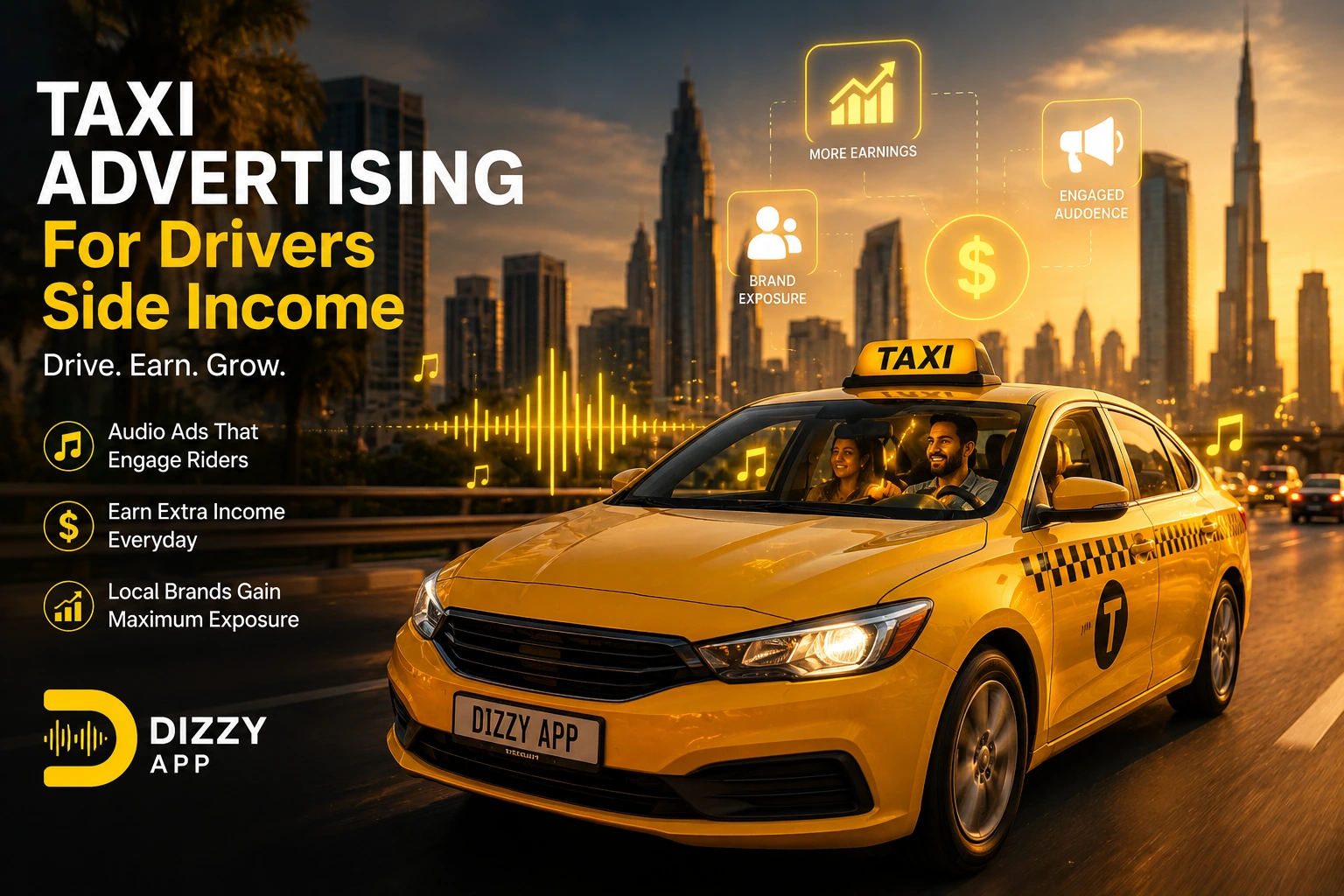
The rideshare and taxi industry has changed dramatically over the last few years. Drivers today are constantly searching for new ways to increase their earnings without spending more hours on the road. Fuel costs, vehicle maintenance, insurance, and daily expenses continue to rise, making it difficult for many drivers to rely only on ride income.
At the same time, businesses are searching for smarter ways to reach customers in busy cities. Traditional online advertising has become crowded, expensive, and easy to ignore. This is where taxi advertising is creating exciting opportunities for both drivers and brands.
Modern cab advertising allows drivers to turn their vehicles into mobile advertising platforms while continuing their normal driving routines. Companies can promote their services through engaging audio experiences, branded songs, and in vehicle campaigns while drivers receive a share of the advertising revenue.
This innovative approach is transforming the transportation industry. Drivers no longer need to depend only on ride fares and tips. With the help of taxi cab advertising, they can generate additional income during every shift.
At Dizzy App, we are helping reshape the future of taxi advertising through creative music driven marketing campaigns that connect brands with real audiences inside taxis and rideshare vehicles. Our platform helps businesses increase visibility while giving drivers a powerful opportunity to earn additional income during their daily rides.
In this guide, we will explore how drivers can earn side income from advertising, why brands are investing in taxi advertising, and how Dizzy App is helping drivers and businesses grow together through innovative mobile advertising solutions.
Taxi advertising is a marketing strategy where businesses promote their products or services through taxis, rideshare vehicles, and transportation networks. These advertisements can appear in different forms including vehicle wraps, digital screens, QR codes, and audio campaigns.
For decades, companies have used taxi cab advertising to increase visibility in crowded urban areas. Taxis travel through busy streets, airports, entertainment districts, shopping centers, and business hubs every day. This creates constant exposure for brands.
Today, taxi advertising has evolved far beyond traditional stickers and rooftop signs. Modern campaigns now focus heavily on passenger engagement. Audio advertising and branded music campaigns are becoming increasingly popular because they create a more memorable experience during rides.
Passengers spend several minutes or even hours inside vehicles during daily commutes. This creates a unique opportunity for businesses to connect with audiences in a relaxed and distraction free environment.
A taxi ad can now include:
Unlike traditional digital ads that users quickly skip or ignore, taxi advertising creates direct engagement in real world environments.
At Dizzy App, we believe transportation advertising should feel entertaining rather than intrusive. That is why our campaigns focus on engaging music and memorable audio experiences that passengers actually enjoy hearing during rides.
Businesses today are constantly competing for customer attention. Social media feeds are crowded with advertisements and many online users ignore banner ads completely. Brands are now looking for marketing channels that feel more authentic, memorable, and engaging.
This is one reason cab advertising has become increasingly valuable.
Taxi and rideshare vehicles move throughout high traffic locations every day. Unlike static billboards, these vehicles continuously travel through neighborhoods, business districts, airports, nightlife areas, and shopping centers.
This creates mobile advertising exposure that reaches thousands of people daily.
Another major advantage of taxi advertising is audience attention. Passengers inside vehicles are often relaxed and open to entertainment during rides. Audio based marketing campaigns feel more natural compared to aggressive online advertising.
Music based advertising is especially effective because people emotionally connect with songs and sound. A catchy branded song can stay in a listener’s memory much longer than a traditional advertisement.
Businesses also appreciate the local targeting opportunities available through taxi cab advertising. Companies can focus campaigns on specific cities, neighborhoods, tourist areas, or event zones.
For example:
Compared to expensive television commercials or large billboard campaigns, taxi advertising can offer highly cost effective marketing with strong audience engagement.
This is exactly why many growing businesses are partnering with Dizzy App. Our creative approach combines entertainment and advertising to help brands stand out in competitive local markets.
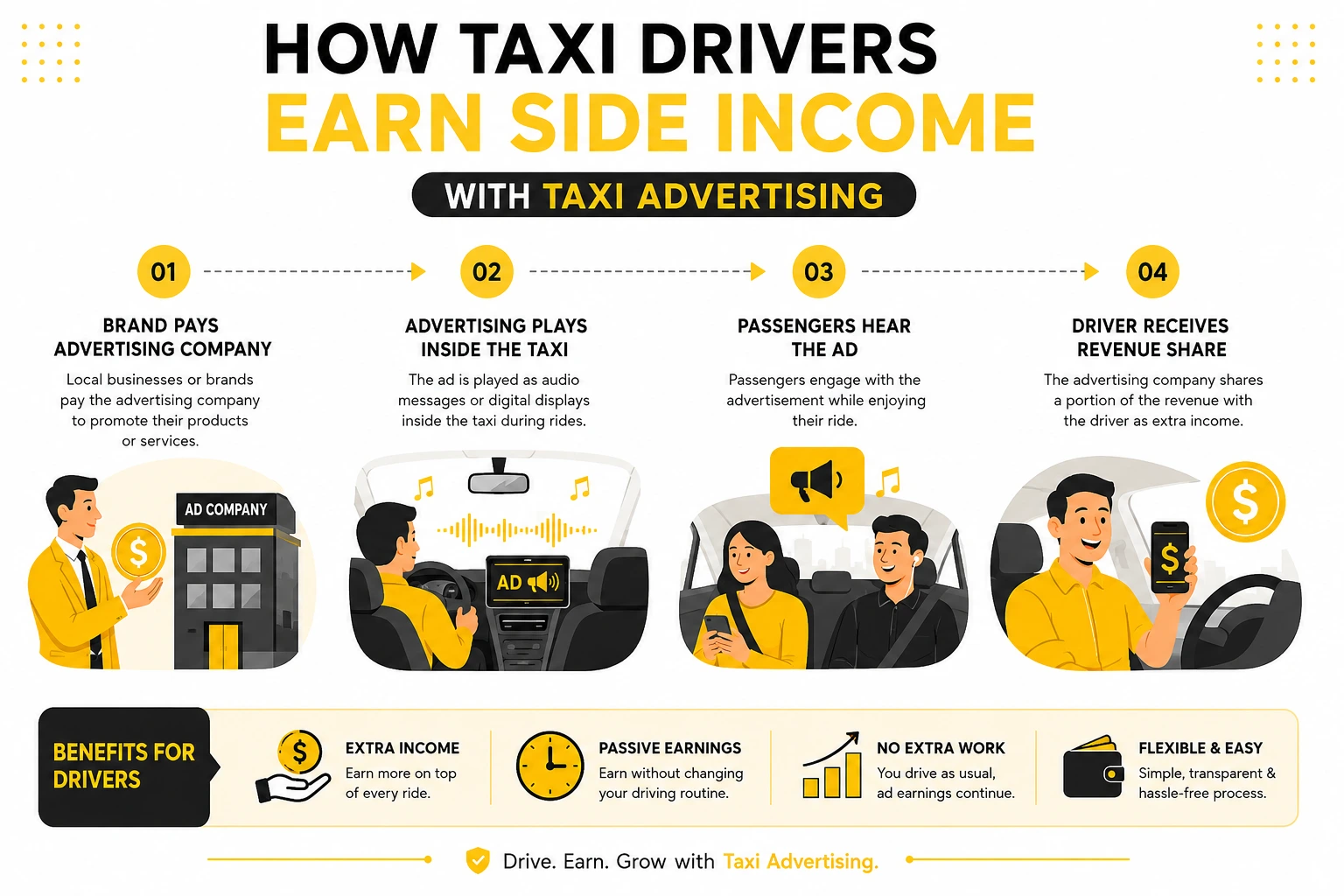
One of the biggest benefits of taxi advertising is that drivers can earn extra money without changing their daily work routine.
The process is simple.
Drivers continue accepting rides and transporting passengers as usual. During rides, approved advertisements or branded songs play inside the vehicle. Businesses pay advertising companies for campaign exposure, and drivers receive a share of that revenue.
This creates a passive income stream.
Drivers do not need to sell products, convince passengers, or actively market anything. The advertising system works automatically while they focus on driving safely and providing a good customer experience.
For many drivers, this extra income can help cover:
Some drivers even use taxi ad income to increase their monthly savings.
The best part is flexibility. Drivers continue working according to their own schedule while generating additional revenue during active driving hours.
Unlike second jobs that require extra time and energy, taxi advertising works alongside normal rideshare operations.
At Dizzy App, we make the process easy for drivers by handling the advertising campaigns, branded music production, and business partnerships. Drivers simply continue driving while our platform helps create additional earning opportunities.
This is especially attractive for:
As urban transportation continues growing, advertising opportunities inside vehicles are expected to become even more profitable.
Dizzy App is bringing a fresh and innovative approach to taxi advertising through music based brand promotion.
Instead of using repetitive advertisements that passengers may ignore, Dizzy App creates custom songs and audio experiences for businesses. These branded audio campaigns are played inside taxis and rideshare vehicles, creating a more enjoyable and memorable passenger experience.
This model benefits everyone involved.
Drivers receive a share of advertising revenue while continuing their normal rides. Businesses gain direct exposure to real audiences. Passengers enjoy engaging music and creative entertainment during their trip.
This approach makes advertising feel less intrusive and more natural.
Music has a powerful emotional impact. People remember songs more easily than standard advertisements. By combining entertainment with marketing, Dizzy App creates stronger brand recall while keeping passengers engaged during rides.
Our mission is simple. We want to help drivers earn more while giving businesses a smarter and more creative way to advertise locally.
For drivers, the process remains simple and stress free. Once approved for campaigns, the advertising content plays automatically through the platform. Drivers can continue focusing on customer service and navigation while generating side income.
For brands, Dizzy App provides a unique opportunity to connect with real customers in real environments instead of competing for attention online.
This modern version of taxi cab advertising represents the future of mobile marketing.
There are many reasons why drivers are becoming interested in taxi advertising programs.
The most obvious benefit is additional earnings. Drivers can generate extra revenue without increasing their driving hours.
This additional income can make a major difference over time, especially during slower seasons when ride demand decreases.
At Dizzy App, we are committed to helping drivers unlock more earning potential through creative advertising partnerships.
Drivers remain fully independent. They choose when and how long they want to drive while still participating in advertising campaigns.
There are no strict schedules or sales requirements.
Unlike food delivery or additional part time jobs, taxi advertising does not require extra physical effort. Drivers continue their regular driving routine while advertisements run in the background.
Drivers already spend hours driving through busy locations. Taxi advertising helps monetize that existing time more effectively.
Creative audio campaigns and music based content can make rides feel more entertaining and enjoyable for passengers.
As brands continue investing in mobile advertising, drivers may gain access to more campaigns and higher earning opportunities in the future.
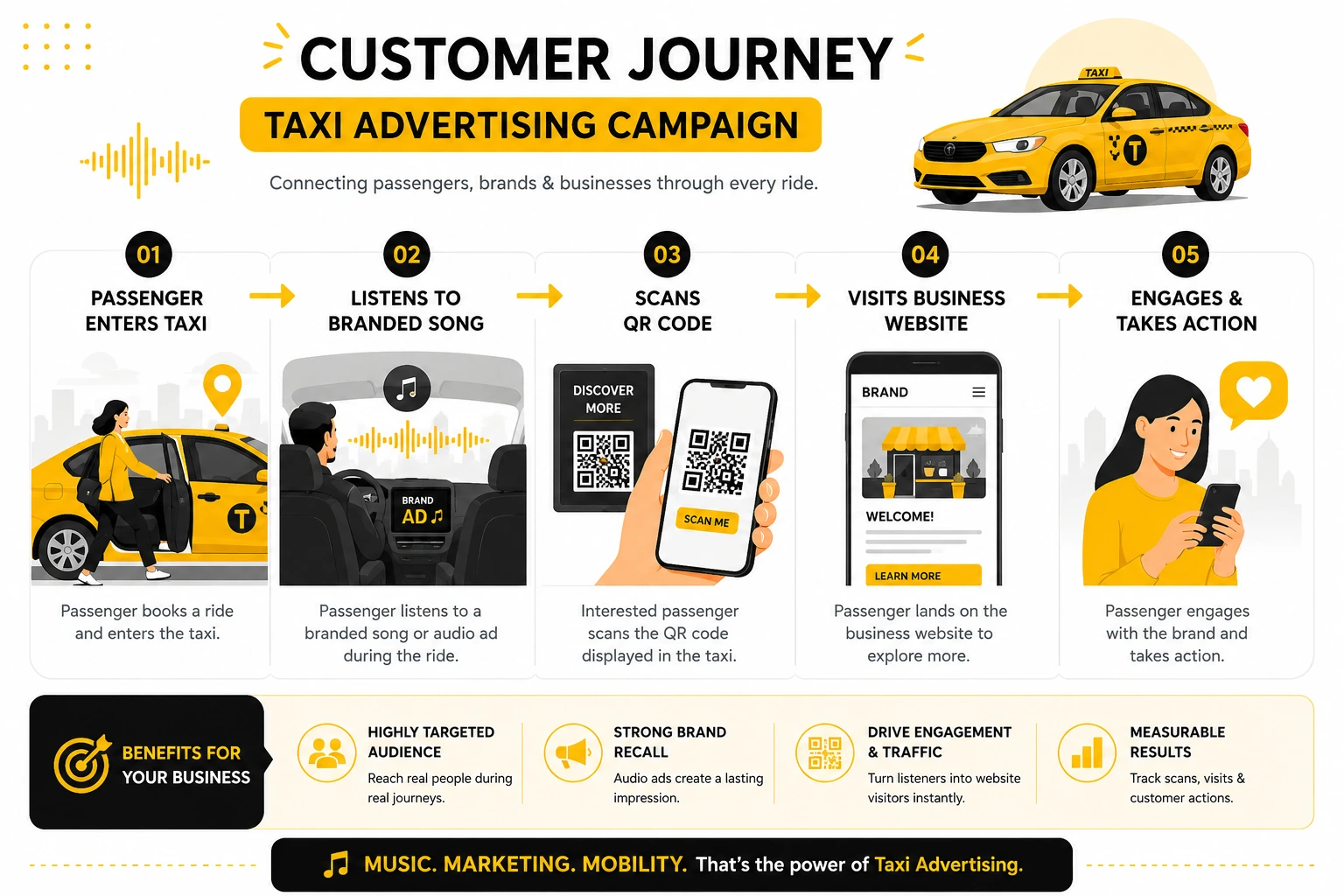
Taxi advertising is not only beneficial for drivers. It also offers major advantages for brands and local businesses.
Businesses can target audiences in specific cities and neighborhoods. This creates highly relevant local exposure.
For example, a restaurant can advertise near entertainment districts while a hotel can target airport travelers.
Passengers inside rideshare vehicles are more likely to listen to audio content during rides compared to people scrolling through social media.
Audio based taxi ad campaigns create stronger emotional connections through music and storytelling.
At Dizzy App, our creative team develops engaging branded audio experiences designed to help businesses leave a lasting impression on passengers.
Compared to television advertising and large outdoor campaigns, taxi advertising can deliver impressive exposure at a lower cost.
Taxi and rideshare vehicles travel across multiple high traffic areas daily, increasing campaign visibility throughout the city.
Businesses can create unique campaigns using songs, announcements, promotions, and interactive experiences.
This allows companies to stand out from traditional advertising formats.
Rideshare services have become part of everyday life in major cities around the world. Millions of passengers use transportation apps daily for work, travel, entertainment, and shopping.
As rideshare usage continues growing, advertising opportunities inside vehicles are becoming more valuable.
Consumers are also becoming increasingly resistant to traditional online advertising. Many people use ad blockers or ignore digital banners completely.
Taxi advertising offers a real world alternative that feels more engaging and less disruptive.
Passengers inside vehicles are often more relaxed and attentive compared to online audiences. This creates a stronger environment for storytelling and audio engagement.
Music based marketing is especially powerful because songs create emotional memory.
This is why more brands are investing in:
At Dizzy App, we are proud to be part of this growing movement by helping brands and drivers connect through innovative taxi cab advertising experiences.
The future of cab advertising will likely include:
Drivers who participate early may benefit significantly as the industry expands.
Joining a taxi advertising program is usually a straightforward process.
Drivers typically need:
Drivers usually apply through the advertising platform and provide vehicle and driving information.
At Dizzy App, we aim to make onboarding simple and driver friendly so drivers can start earning as quickly as possible.
Advertising content is managed by the platform. Drivers do not need to manually search for sponsors or negotiate advertising deals.
Drivers generally receive compensation based on campaign participation, ride activity, or advertising engagement.
Drivers can increase their opportunities by:
The more active the driver, the greater the potential exposure for advertisers and the higher the earning opportunity.
Earnings vary depending on location, campaign size, ride volume, and participation level. Active drivers in busy cities often have more earning opportunities.
Most modern taxi advertising systems are designed to work easily with smartphones, tablets, or simple in vehicle audio setups.
Yes. Many taxi advertising campaigns now include rideshare drivers in addition to traditional taxi operators.
When done correctly, music based advertising feels entertaining rather than disruptive. Quality audio experiences can actually improve passenger engagement.
Advertising rules vary by city and transportation authority. Professional platforms usually ensure campaigns comply with local regulations.
Many businesses are already seeing strong results through taxi advertising campaigns.
Local restaurants use audio promotions to attract nearby customers during lunch and dinner hours. Music artists promote new songs to passengers during city rides. Startups use rideshare advertising to build awareness in competitive urban markets.
Drivers also benefit directly from these campaigns.
For example, a rideshare driver working during evening hours in a busy downtown area may complete dozens of rides per week while earning additional advertising income on top of standard fares.
Passengers benefit as well because entertaining audio content can improve the overall ride experience.
This creates a positive cycle where businesses gain exposure, passengers enjoy engaging rides, and drivers earn more income.
At Dizzy App, we continue helping brands and drivers build these valuable connections through creative cab advertising campaigns designed for modern urban audiences.
Drivers who want to increase their earning potential should focus on consistency and passenger experience.
Peak commuting times often create more ride opportunities and higher advertising exposure.
A professional environment improves passenger comfort and supports advertiser quality standards.
Friendly service encourages positive reviews and repeat rides.
Downtown districts, airports, tourist zones, and entertainment areas often generate higher advertising visibility.
The more campaigns a driver joins, the greater the potential earning opportunities.
Brands prefer drivers who represent campaigns professionally and create positive rider experiences.
At Dizzy App, we value drivers who create outstanding passenger experiences because quality rides lead to stronger campaign results for businesses.
The transportation industry is evolving rapidly, and drivers are discovering new ways to increase their income beyond traditional ride fares.
Taxi advertising has become one of the most promising side income opportunities for rideshare and taxi drivers because it allows them to earn additional revenue without changing their normal routine.
Businesses benefit from direct audience engagement, passengers enjoy creative entertainment experiences, and drivers gain valuable extra income during regular rides.
As audio marketing and mobile advertising continue growing, taxi cab advertising is expected to become an even larger part of the future advertising industry.
Dizzy App is proud to help lead this transformation by combining music, technology, and transportation into a modern advertising experience that benefits everyone involved.
Whether you are a driver searching for additional income or a business looking for innovative cab advertising solutions, Dizzy App provides a creative and scalable platform designed for the future of local advertising.
If you are ready to explore the next generation of taxi advertising, now is the perfect time to partner with Dizzy App and turn every ride into a new opportunity.
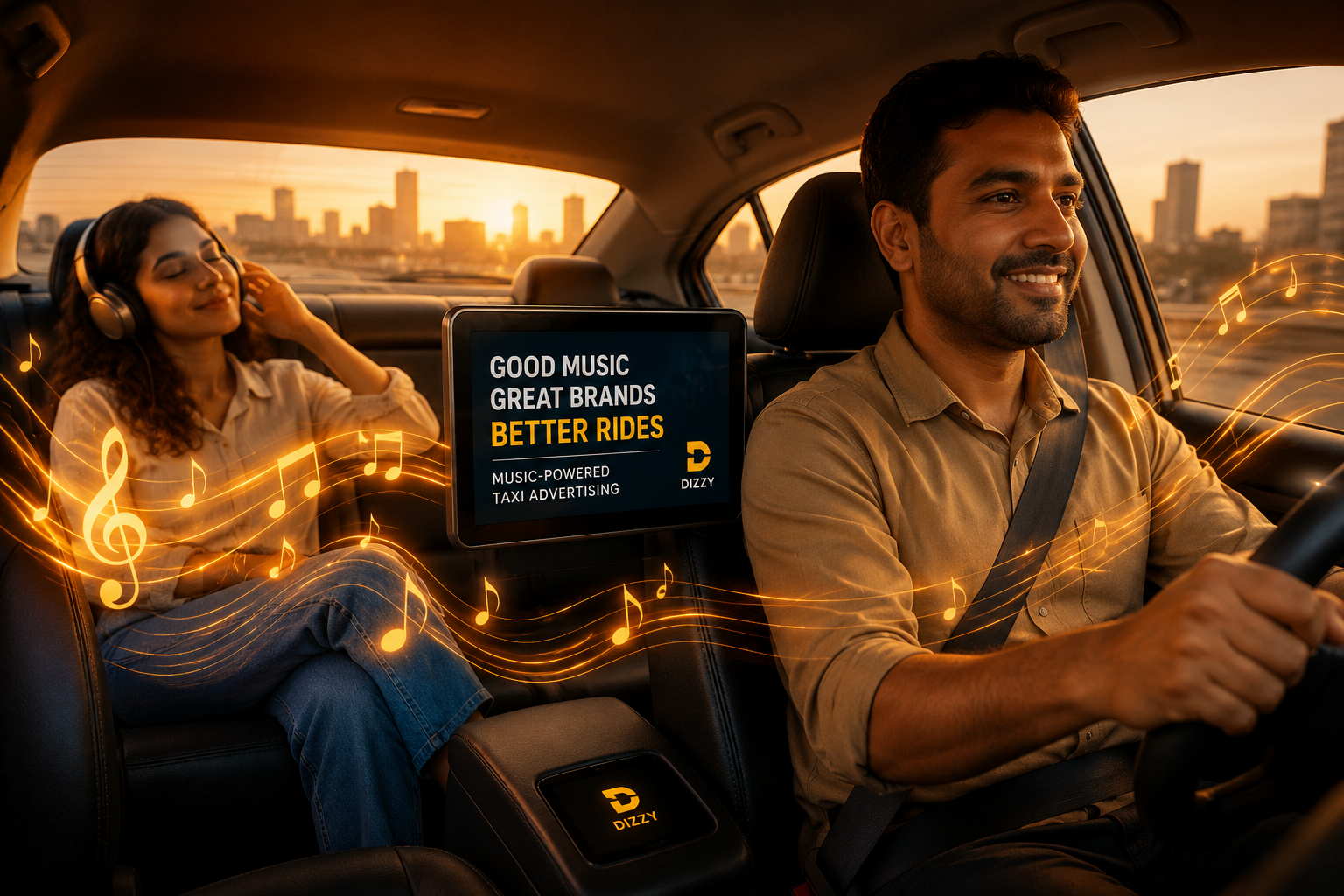
Imagine stepping into a taxi after a long day. Instead of hearing random radio chatter or repetitive commercials, a catchy song begins to play. The music feels fresh, entertaining and surprisingly memorable. By the time the ride ends, the brand behind the song is already stuck in your mind. You did not feel like you were listening to an advertisement. You felt like you experienced a moment.
This simple scenario represents a powerful shift in modern marketing. Advertising is no longer limited to screens, billboards or social media feeds. Brands are searching for ways to reach people in real world environments where attention is natural and engagement feels authentic. One of the most exciting developments in this space is taxi advertising powered by music and collaboration.
Behind this new model are three key players. The driver provides the environment and real world reach. The artist provides the creativity and emotional connection. The entrepreneur brings the vision that connects everything into a scalable marketing ecosystem. Together they are reshaping how brands communicate with everyday audiences.
This article explores how this collaboration works, why taxi advertising is becoming more relevant than ever, and how this approach is opening new opportunities for drivers, artists and brands alike.
In the past decade, audiences have become experts at avoiding advertising. Social media users scroll past ads in seconds. Video viewers skip commercials whenever possible. Ad blockers are widely used across the internet. Even billboards are often overlooked during busy commutes.
This phenomenon is known as ad fatigue. Consumers are exposed to thousands of marketing messages every day, which has reduced the effectiveness of traditional advertising channels. At the same time, the cost of digital advertising continues to rise, making it harder for brands to achieve meaningful engagement.
Brands now face a major challenge. They must find ways to earn attention rather than interrupt people.
To overcome this challenge, companies are returning to experiences. Experiential marketing focuses on creating memorable moments rather than simply displaying messages. Audio advertising has also gained momentum because sound connects directly with emotions and memory.
Music, podcasts and voice driven content are becoming powerful marketing tools. People willingly listen when the content feels entertaining or useful.
Taxi advertising sits perfectly at the intersection of experience and audio. It offers a high attention environment where passengers are relaxed and open to listening. Instead of competing with dozens of distractions on a phone screen, brands can become part of a real world journey.
A taxi ride is one of the few moments in daily life when people pause. Passengers are not rushing through tasks or multitasking across multiple screens. Many simply sit back, observe the city or listen to music.
This creates a rare opportunity for uninterrupted exposure. The average ride lasts long enough for passengers to hear a full song or branded audio message without interruption.
Taxis travel through busy streets, residential areas and commercial zones every day. Each ride represents a new audience. Instead of being limited to one location, taxi advertising moves across entire cities, creating a mobile marketing network.
Traditionally, taxi rides were quiet or filled with random radio stations. Today, they can become curated brand experiences that feel natural and enjoyable. When music is involved, the ride becomes memorable rather than forgettable.
Entrepreneurs play a crucial role in transforming taxis into marketing platforms. They recognize opportunities where others see routine. Instead of viewing taxis only as transportation, they see a network of daily touchpoints connecting thousands of passengers.
The idea is simple yet powerful. Every taxi ride is a moment of attention. Every passenger is a potential listener. Every city is a moving network of opportunities.
Entrepreneurs bring technology, strategy and creativity together to build systems that connect brands with drivers and artists.
This model depends on collaboration. Brands need creative content. Artists need exposure and opportunities. Drivers need additional income streams. Entrepreneurs create platforms that align these interests into a shared ecosystem where everyone benefits.
Taxi drivers interact with people from all walks of life. They hear stories, share conversations and become part of daily routines. This human connection creates trust and authenticity that digital ads cannot replicate.
When drivers participate in taxi advertising campaigns, they help transform each ride into a brand experience. The environment feels personal and real rather than commercial.
This model introduces additional income opportunities for drivers. Instead of relying solely on fares, drivers can earn through participation in advertising campaigns. This creates financial stability and a sense of involvement in creative projects.
Music is deeply connected to memory. A catchy melody can stay in the mind for days or even years. When a brand message is delivered through music, it becomes easier to remember and more enjoyable to hear.
Traditional jingles were short and repetitive. Today, branded music feels more like real songs. Audiences respond better to content that feels authentic and entertaining.
This model opens new doors for independent musicians. Artists gain exposure to real listeners every day while collaborating with brands in meaningful ways.
The collaboration between drivers, artists and entrepreneurs creates a seamless workflow.
A brand launches a campaign with a clear message and target audience. Artists develop music that communicates the brand story. The music is distributed across taxi networks. Passengers experience the campaign naturally during their rides.
This process transforms marketing into an everyday experience rather than an interruption.
Passengers play a crucial role in the success of taxi advertising. They form the audience that completes the marketing cycle.
Inside a taxi, passengers are in a calm environment where listening feels natural. The music does not demand attention but gently earns it. Conversations may begin about the song or the brand. This creates organic word of mouth marketing that continues beyond the ride.
Taxi advertising offers several advantages for brands.
High attention environments ensure that messages are heard. Daily repetition increases brand recall. Hyperlocal targeting allows campaigns to focus on specific neighborhoods. Compared to traditional media, costs are often more manageable while engagement remains strong.
Music driven campaigns also create emotional connections that strengthen brand loyalty.
Compared with radio advertising, taxi advertising offers a more controlled listening environment. Compared with social media ads, it avoids scrolling and skipping. Compared with billboards, it provides longer exposure times. Compared with digital display ads, it creates real world experiences.
Taxi advertising combines physical presence with audio storytelling, making it a hybrid marketing channel.
This collaborative model supports a growing creator economy.
Drivers gain new income streams. Artists gain new audiences and paid opportunities. Brands gain innovative marketing channels. The result is a system where success is shared across multiple communities.
Companies specializing in music driven taxi advertising are helping bring this concept to life. Platforms such as Dizzy connect brands with artists and drivers, making it easier to launch campaigns and manage collaborations.
By combining strategy, production and distribution, these platforms help transform ideas into real world campaigns that reach daily commuters.
Technology will continue to enhance taxi advertising. Connected vehicles, smart audio systems and voice assistants may enable interactive brand experiences. As ride sharing and delivery networks expand, the reach of this marketing model will grow even further.
Audio commerce and real world engagement will likely play a major role in future campaigns.
Taxi advertising can benefit startups, local businesses, retail chains, technology companies and entertainment brands. Any organization seeking meaningful engagement can explore this channel.
Launching a campaign begins with defining goals and target audiences. Creative development follows, including music production and campaign planning. Distribution across taxi networks ensures consistent exposure.
Working with experienced partners such as Dizzy can help brands navigate the process and launch effective campaigns.
When drivers, artists and entrepreneurs collaborate, marketing becomes more human and more engaging. Taxi advertising demonstrates how creativity and mobility can combine to create memorable experiences.
As brands search for authentic ways to connect with audiences, this collaborative approach represents a promising direction for the future of marketing.
Marketing has changed dramatically in the past decade. Audiences scroll faster, skip ads more often, and install ad blockers that prevent brands from even being seen. Digital advertising costs continue to rise while attention continues to fall. This shift has forced marketers to rethink how they reach people in the real world.
One channel has quietly become one of the most powerful attention driven platforms available today. That channel is taxi advertising.
Every day millions of people commute in taxis and ride sharing vehicles. They travel to work, airports, shopping districts, restaurants, and events. During these rides, passengers are not scrolling endlessly through social media. They are present in the moment, often relaxed, and open to listening. This creates a rare marketing opportunity that combines real world visibility with captive attention.
Taxi advertising turns everyday travel into a brand experience. Instead of chasing consumers online, brands meet them where they already are on the road. From exterior vehicle branding to in car audio ads, taxi advertising is becoming one of the most memorable forms of out of home marketing.
Taxi advertising is a form of out of home advertising that uses taxis and ride sharing vehicles as moving media platforms. Instead of a static billboard in one location, brands gain exposure across entire cities through vehicles that travel all day.
There are several types of taxi advertising that brands can use.
Exterior taxi wraps transform vehicles into moving billboards that are seen by pedestrians, drivers, and commuters. Rooftop digital displays allow brands to run rotating campaigns in high traffic areas. In car screens provide visual content to passengers during their rides.
The most innovative format today is in car audio advertising. This approach allows brands to play short advertisements or even branded songs inside taxis and ride sharing vehicles. This form of taxi cab advertising reaches people during a time when they are relaxed and paying attention.
Taxi advertising sits within the broader category of rideshare advertising and mobile advertising. It combines the physical impact of outdoor media with the targeting power of modern marketing.
Urban mobility has changed how people move and how brands connect with audiences. Ride sharing apps have made taxis more accessible than ever. Millions of people now rely on daily rides for commuting, shopping, and travel.
This shift has created a massive opportunity for taxi advertising. A single taxi can generate thousands of impressions per day. When multiplied across a fleet, the reach becomes enormous. Unlike traditional outdoor media that stays in one location, taxi advertising moves through high traffic areas continuously.
Commuters also spend more time in vehicles than ever before. Longer travel times mean longer exposure to marketing messages. This creates repeated impressions that strengthen brand recall.
Taxi advertising also offers location based marketing potential. Campaigns can target airports, shopping districts, entertainment areas, and business hubs. This makes it ideal for brands that want to reach specific audiences in specific places.
The success of taxi advertising is rooted in human psychology. When people are inside a taxi, they are in a captive environment. They cannot skip ads or scroll past content. Their attention is naturally focused on their surroundings.
Audio marketing plays a particularly powerful role in this environment. Sound has a strong connection to memory and emotion. A catchy tune or memorable message can stay in a listener’s mind long after the ride ends.
Repetition also plays a key role. Daily commuters often hear the same messages multiple times. This repeated exposure builds familiarity and trust. Over time, the brand becomes part of the listener’s daily routine.
Taxi advertising combines attention, repetition, and emotional connection. This combination creates a marketing experience that feels natural rather than intrusive.
Traditional advertising relies heavily on visuals. However, audio advertising offers a deeper emotional connection. Music and sound trigger feelings and memories in a way that visuals alone cannot achieve.
Branded songs and jingles are particularly effective. When people hear music, they are more likely to remember the message associated with it. This is why some of the most famous advertisements in history are remembered for their songs.
Inside taxis, audio advertising becomes even more powerful. Passengers are not distracted by screens or competing content. They are present in the moment and more receptive to listening.
Imagine a commuter heading to work hearing a coffee brand song in the morning. Or a passenger traveling home hearing a food delivery jingle in the evening. These moments feel natural and relevant to daily life.
Taxi advertising that uses music creates emotional branding. It turns simple ads into experiences that people remember and even enjoy.
Taxi advertising offers several advantages that make it attractive to both large and small businesses.
Each taxi travels through busy streets, business districts, and residential areas. This creates thousands of daily impressions. Over time, the exposure becomes significant.
Brands can target specific neighborhoods, airports, malls, and entertainment zones. This makes taxi advertising ideal for location based campaigns.
Commuters often travel the same routes daily. Repeated exposure strengthens brand recall and recognition.
Compared to billboards and television advertising, taxi advertising offers lower cost per impression while maintaining strong visibility.
Passengers cannot skip or block ads inside taxis. This ensures consistent message delivery.
Audio and visual repetition increases the likelihood that audiences remember the brand.
Taxi advertising works across many industries because it reaches diverse audiences.
Food delivery and restaurants benefit by targeting commuters during meal times. Fintech and mobile apps reach tech savvy urban audiences who frequently use ride sharing services.
Ecommerce brands gain exposure across busy shopping districts. Entertainment platforms promote new releases to commuters heading to events or returning home.
Retail stores and malls use taxi advertising to drive foot traffic to nearby locations. Travel and tourism brands reach passengers heading to airports or hotels.
Local businesses and startups benefit from affordable exposure that builds brand awareness quickly. Taxi advertising levels the playing field by allowing smaller brands to compete with larger advertisers.
Dizzy specializes in turning taxi advertising into memorable audio experiences. The process is designed to help brands connect with audiences in a meaningful way.
The first step is understanding the brand. Every campaign begins with research into the target audience, brand voice, and campaign goals.
The second step is writing the brand song. Professional writers create catchy and memorable music that communicates the brand message clearly.
The third step is recording and production. High quality audio ensures the message sounds professional and engaging inside vehicles.
The fourth step is distribution across taxi networks. Campaigns are deployed across fleets of taxis and ride sharing vehicles.
The final step is campaign tracking and reporting. Brands receive insights into reach and performance.
This approach transforms taxi advertising into a powerful audio branding tool.
Traditional advertising channels are becoming crowded and expensive. Digital ads are often ignored or blocked. Television commercials are skipped. Billboards remain fixed in one place.
Taxi advertising offers mobility, attention, and repetition. It brings the brand directly into daily life rather than waiting for audiences to notice it.
Compared to radio advertising, taxi advertising provides a controlled environment with less competition. Compared to digital ads, it cannot be skipped or blocked. Compared to billboards, it moves across the city and reaches more locations.
This makes taxi advertising one of the most versatile and effective modern marketing channels.
The cost of taxi advertising depends on several factors. The size of the city, the number of vehicles, and the campaign duration all influence pricing.
Audio production and campaign scale also play a role. However, taxi advertising is generally more affordable than many traditional media channels.
Brands can start with smaller campaigns and scale as results grow. This flexibility makes it accessible to startups and established companies alike.
A successful campaign starts with a clear message. Short audio ads under thirty seconds work best. Catchy hooks and repetition help listeners remember the brand.
Targeting peak commute hours ensures the message reaches the right audience at the right time. Geo targeting helps focus campaigns on relevant locations.
Consistency across marketing channels strengthens brand identity. Combining taxi advertising with digital campaigns creates a powerful multi channel strategy.
Technology continues to transform mobility marketing. Artificial intelligence and data analytics are improving campaign targeting. Smart city integration will allow dynamic ad delivery based on location and time.
Taxi advertising is evolving into a sophisticated media network. Brands that adopt this channel early will gain a strong competitive advantage.
Taxi advertising combines real world visibility with captive attention. It offers high reach, strong recall, and emotional engagement through audio branding.
As audiences become harder to reach online, brands are turning to the streets for new opportunities. Taxi advertising provides a powerful way to connect with people during everyday moments.
For businesses looking to stand out, mobility based marketing offers a fresh and memorable approach. The road has become the new advertising frontier.
Taxi advertising is a form of out of home advertising that uses taxis and ride sharing vehicles to promote brands.
It offers high visibility, repeated exposure, and strong brand recall.
A single taxi can generate thousands of impressions per day.
It is often more cost effective than traditional outdoor and television advertising.