The Future of Rideshare Is Experiential
January 18, 2026

January 18, 2026
Rideshare is evolving far beyond its original purpose of simple transportation. What once started as a convenient way to move through cities is now becoming an experience-driven journey. Riders today expect more than just reaching their destination; they want comfort, engagement, and a sense of connection throughout the ride.
This shift is being driven by changing consumer behavior and rising expectations. Modern users are accustomed to personalized digital experiences in every aspect of life. Naturally, they now expect the same level of personalization when they step into a rideshare vehicle.
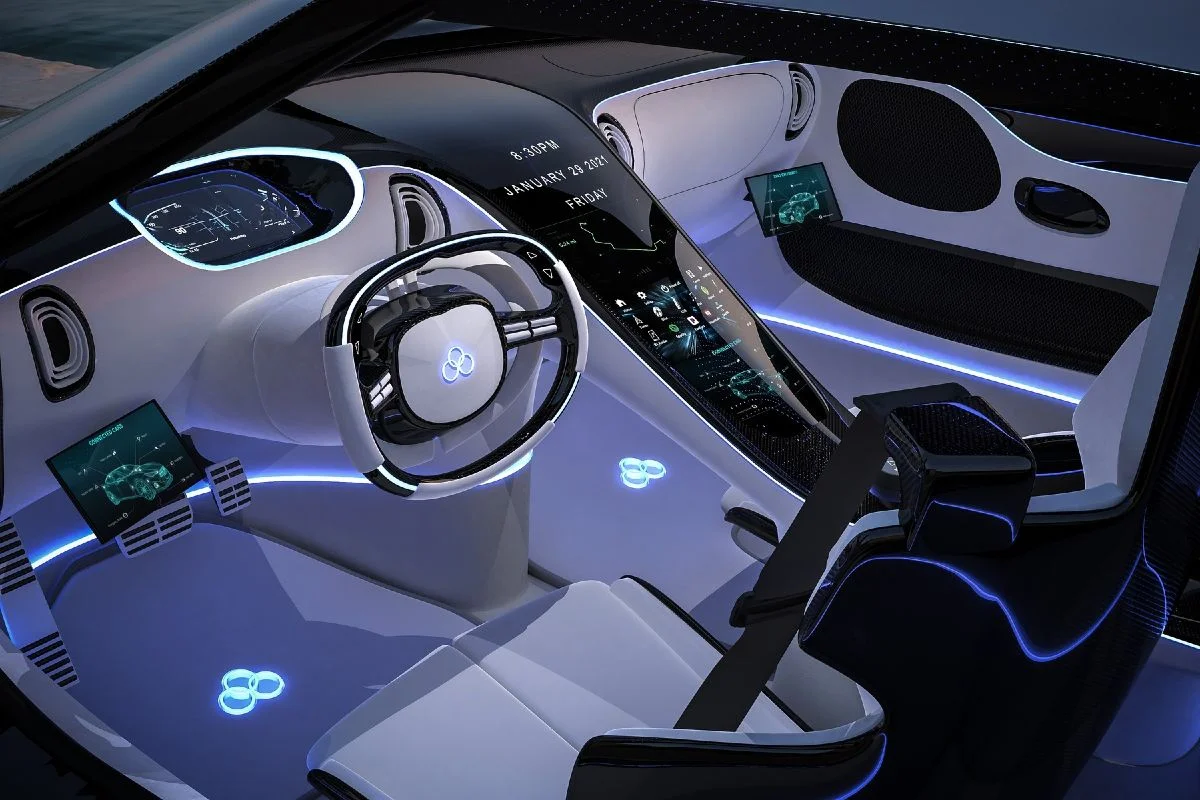
Technology plays a central role in enabling these new experiences. From AI-powered recommendations to smart in-car systems, rides are becoming more intelligent and adaptive. These innovations allow platforms to tailor each ride based on user preferences and behavior.
Audio is one of the most powerful tools in this transformation. Unlike visual content, audio enhances the environment without demanding attention. It creates a seamless layer of engagement that complements the ride rather than distracting from it.
Curated playlists, local artist features, and storytelling formats are redefining how passengers spend their time in transit. Instead of passive commuting, riders are now part of an immersive experience that feels intentional and meaningful.
For brands, this evolution opens a completely new channel for communication. The rideshare environment offers a unique opportunity to connect with audiences in a focused and uninterrupted setting. This leads to stronger recall and deeper emotional impact.
Drivers are also benefiting from this shift toward experiential rides. Enhanced in-car environments often lead to better passenger satisfaction, which translates into higher ratings and improved earnings. It creates a positive feedback loop within the ecosystem.
Cities themselves are becoming part of the experience. As rides incorporate local culture, music, and stories, they reflect the identity of the places they move through. This makes each journey feel unique to its location.
The concept of “dead time” during travel is rapidly disappearing. What was once seen as unproductive time is now being transformed into moments of discovery, relaxation, or entertainment. This redefinition adds value to every ride.
User engagement is becoming a key metric for success in the mobility space. Platforms are no longer judged solely on efficiency but also on the quality of experience they deliver. This marks a major shift in how success is measured.
The integration of smart interfaces further enhances this experience. Touchpoints within the vehicle allow passengers to interact with content, control settings, and customize their environment with ease.
Safety and comfort remain foundational, but they are now complemented by emotional and experiential elements. This holistic approach ensures that every aspect of the ride contributes to overall satisfaction.
As competition in the rideshare industry grows, differentiation becomes critical. Offering a superior experience is one of the most effective ways to stand out in a crowded market.
Looking ahead, experiential rides will likely become the standard rather than the exception. Early adopters of this approach are setting the benchmark for what modern mobility should look like.
Ultimately, the future of rideshare is not just about movement — it is about creating meaningful moments in motion. Companies that understand this will lead the next generation of transportation.