The Rise of Smart In-Car Experiences
January 18, 2026

January 18, 2026
The modern vehicle is no longer just a mode of transportation; it is rapidly evolving into a smart, connected environment. With the integration of advanced technology, cars are becoming intelligent spaces that enhance every aspect of the ride. This shift is redefining what passengers expect from mobility.
Smart in-car experiences are driven by the demand for convenience and personalization. Passengers want more control over their environment, from temperature and lighting to entertainment and content. These features create a sense of comfort that feels tailored to each individual.
Artificial intelligence is playing a key role in powering these experiences. By analyzing user preferences and behavior, AI can adjust settings automatically. This makes each ride feel seamless and intuitive without requiring constant input from the user.
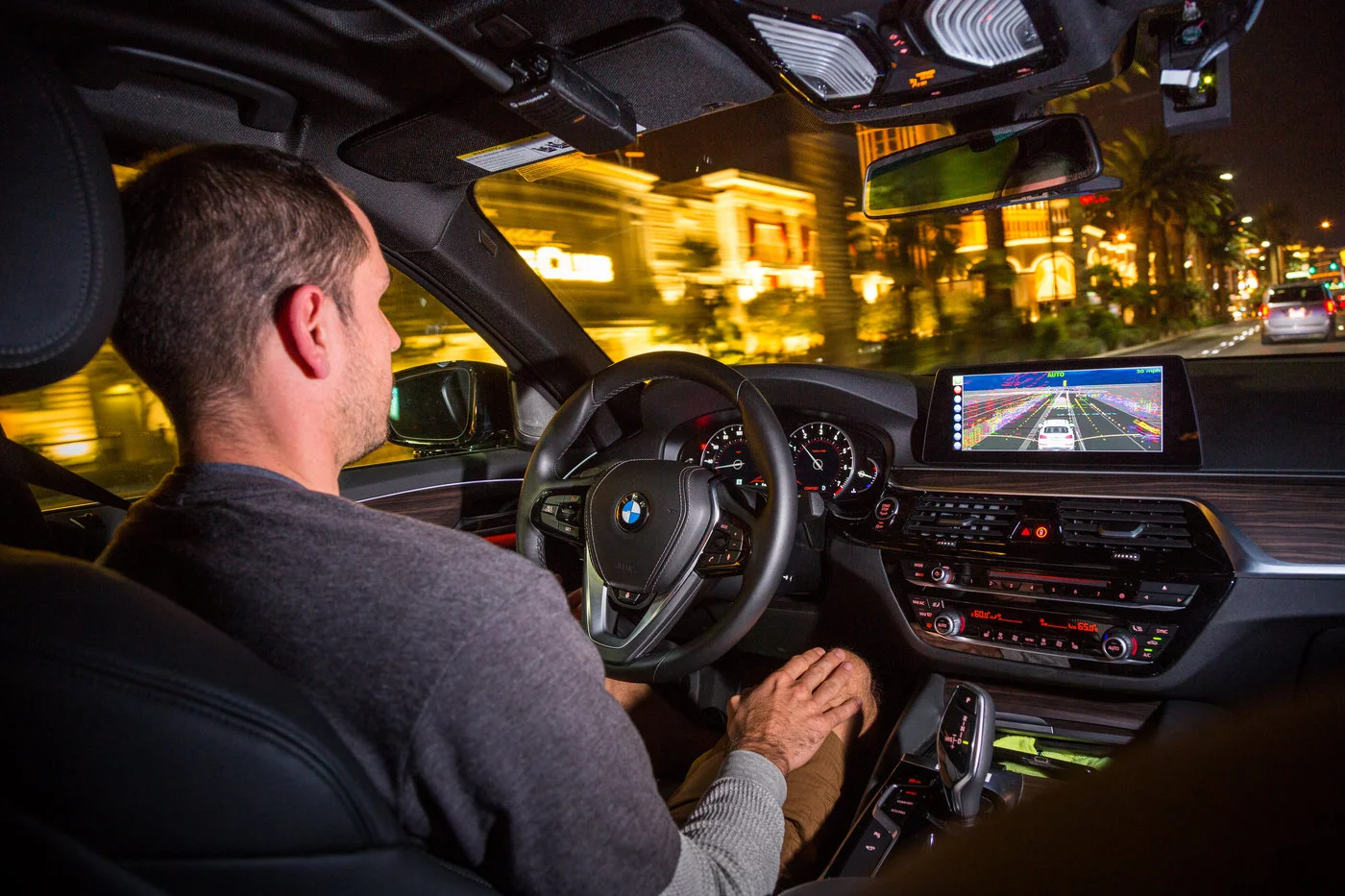
Interactive interfaces are becoming a standard feature in modern vehicles. Touchscreens and voice commands allow passengers to engage with the system easily. This creates a more dynamic and user-friendly experience inside the car.
Entertainment is also evolving within the rideshare environment. Passengers can access curated audio, video, and interactive content during their journey. This transforms travel time into an opportunity for relaxation or engagement.
Connectivity is at the heart of smart in-car systems. With internet-enabled features, vehicles can deliver real-time updates, navigation insights, and personalized recommendations. This keeps passengers informed and engaged throughout the ride.
Safety remains a top priority in the development of these technologies. Smart systems can assist drivers with navigation, alerts, and monitoring tools. This ensures a smoother and more secure journey for everyone involved.
For drivers, smart features can significantly improve efficiency. Tools that optimize routes, manage ride requests, and provide insights help reduce stress and increase productivity. This creates a better working experience overall.
The integration of smart systems also opens new opportunities for businesses. Brands can connect with passengers through contextual and relevant content. This creates a more meaningful interaction compared to traditional advertising.
Customization is one of the biggest advantages of smart in-car experiences. Passengers can tailor their ride according to their mood or preferences. This level of flexibility enhances satisfaction and comfort.
As vehicles become more advanced, they are starting to function like digital hubs. They connect users to a broader ecosystem of services and content. This expands the role of the car beyond transportation.
User data plays an important role in enabling these features. When used responsibly, it allows platforms to deliver highly personalized experiences. This improves both engagement and overall quality of service.
The competition in the mobility industry is pushing rapid innovation. Companies are constantly exploring new ways to enhance the in-car experience. This leads to continuous improvements and new features for users.
Looking ahead, smart in-car experiences will become a standard expectation rather than a luxury. As technology becomes more accessible, these features will be integrated into most rideshare platforms.
Ultimately, the rise of smart in-car experiences is transforming how people perceive travel. It is no longer just about reaching a destination but about enjoying the journey in a smarter, more connected way.