When Drivers, Artists and Entrepreneurs Power Taxi Advertising
May 14, 2026

May 14, 2026
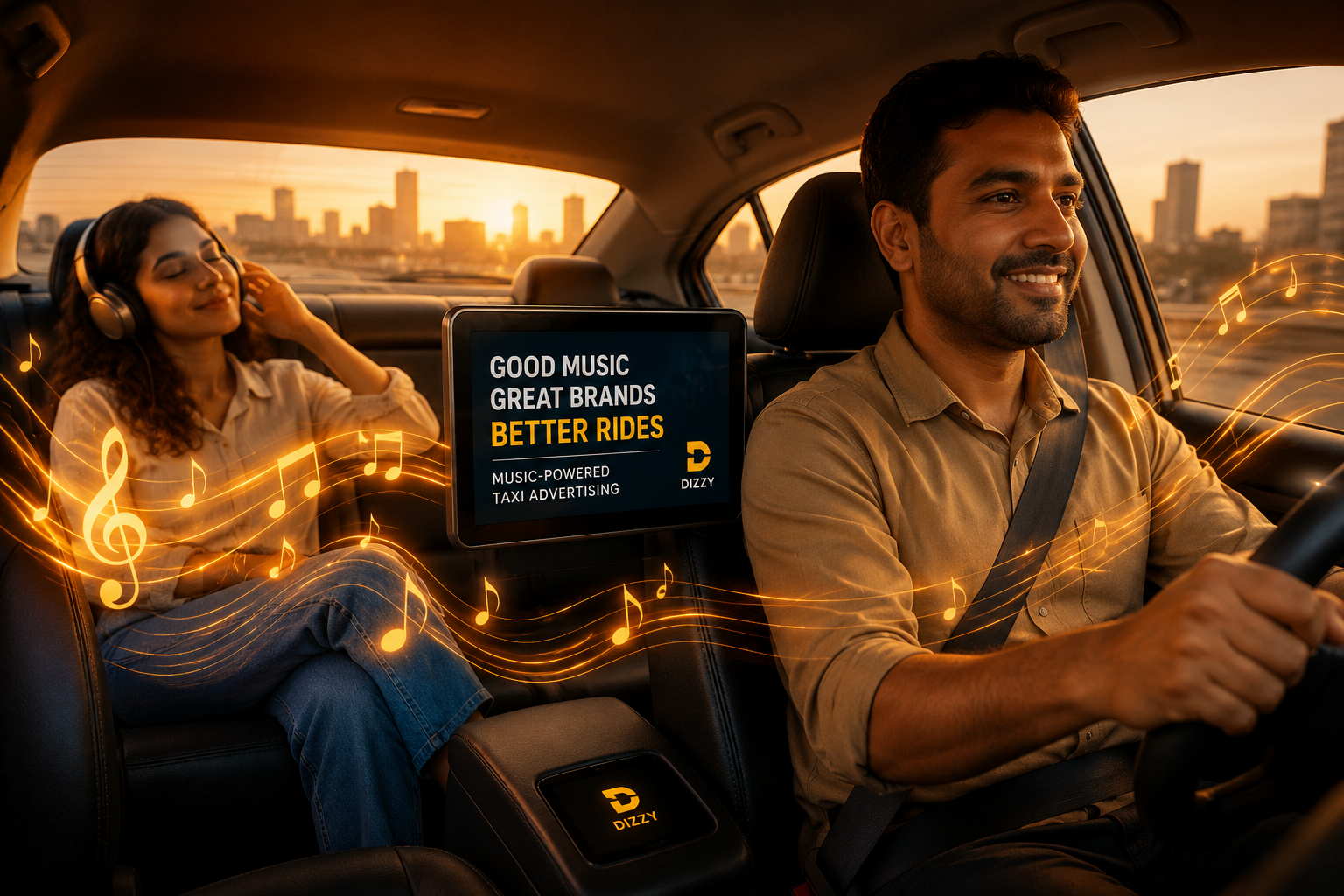
Imagine stepping into a taxi after a long day. Instead of hearing random radio chatter or repetitive commercials, a catchy song begins to play. The music feels fresh, entertaining and surprisingly memorable. By the time the ride ends, the brand behind the song is already stuck in your mind. You did not feel like you were listening to an advertisement. You felt like you experienced a moment.
This simple scenario represents a powerful shift in modern marketing. Advertising is no longer limited to screens, billboards or social media feeds. Brands are searching for ways to reach people in real world environments where attention is natural and engagement feels authentic. One of the most exciting developments in this space is taxi advertising powered by music and collaboration.
Behind this new model are three key players. The driver provides the environment and real world reach. The artist provides the creativity and emotional connection. The entrepreneur brings the vision that connects everything into a scalable marketing ecosystem. Together they are reshaping how brands communicate with everyday audiences.
This article explores how this collaboration works, why taxi advertising is becoming more relevant than ever, and how this approach is opening new opportunities for drivers, artists and brands alike.
In the past decade, audiences have become experts at avoiding advertising. Social media users scroll past ads in seconds. Video viewers skip commercials whenever possible. Ad blockers are widely used across the internet. Even billboards are often overlooked during busy commutes.
This phenomenon is known as ad fatigue. Consumers are exposed to thousands of marketing messages every day, which has reduced the effectiveness of traditional advertising channels. At the same time, the cost of digital advertising continues to rise, making it harder for brands to achieve meaningful engagement.
Brands now face a major challenge. They must find ways to earn attention rather than interrupt people.
To overcome this challenge, companies are returning to experiences. Experiential marketing focuses on creating memorable moments rather than simply displaying messages. Audio advertising has also gained momentum because sound connects directly with emotions and memory.
Music, podcasts and voice driven content are becoming powerful marketing tools. People willingly listen when the content feels entertaining or useful.
Taxi advertising sits perfectly at the intersection of experience and audio. It offers a high attention environment where passengers are relaxed and open to listening. Instead of competing with dozens of distractions on a phone screen, brands can become part of a real world journey.
A taxi ride is one of the few moments in daily life when people pause. Passengers are not rushing through tasks or multitasking across multiple screens. Many simply sit back, observe the city or listen to music.
This creates a rare opportunity for uninterrupted exposure. The average ride lasts long enough for passengers to hear a full song or branded audio message without interruption.
Taxis travel through busy streets, residential areas and commercial zones every day. Each ride represents a new audience. Instead of being limited to one location, taxi advertising moves across entire cities, creating a mobile marketing network.
Traditionally, taxi rides were quiet or filled with random radio stations. Today, they can become curated brand experiences that feel natural and enjoyable. When music is involved, the ride becomes memorable rather than forgettable.
Entrepreneurs play a crucial role in transforming taxis into marketing platforms. They recognize opportunities where others see routine. Instead of viewing taxis only as transportation, they see a network of daily touchpoints connecting thousands of passengers.
The idea is simple yet powerful. Every taxi ride is a moment of attention. Every passenger is a potential listener. Every city is a moving network of opportunities.
Entrepreneurs bring technology, strategy and creativity together to build systems that connect brands with drivers and artists.
This model depends on collaboration. Brands need creative content. Artists need exposure and opportunities. Drivers need additional income streams. Entrepreneurs create platforms that align these interests into a shared ecosystem where everyone benefits.
Taxi drivers interact with people from all walks of life. They hear stories, share conversations and become part of daily routines. This human connection creates trust and authenticity that digital ads cannot replicate.
When drivers participate in taxi advertising campaigns, they help transform each ride into a brand experience. The environment feels personal and real rather than commercial.
This model introduces additional income opportunities for drivers. Instead of relying solely on fares, drivers can earn through participation in advertising campaigns. This creates financial stability and a sense of involvement in creative projects.
Music is deeply connected to memory. A catchy melody can stay in the mind for days or even years. When a brand message is delivered through music, it becomes easier to remember and more enjoyable to hear.
Traditional jingles were short and repetitive. Today, branded music feels more like real songs. Audiences respond better to content that feels authentic and entertaining.
This model opens new doors for independent musicians. Artists gain exposure to real listeners every day while collaborating with brands in meaningful ways.
The collaboration between drivers, artists and entrepreneurs creates a seamless workflow.
A brand launches a campaign with a clear message and target audience. Artists develop music that communicates the brand story. The music is distributed across taxi networks. Passengers experience the campaign naturally during their rides.
This process transforms marketing into an everyday experience rather than an interruption.
Passengers play a crucial role in the success of taxi advertising. They form the audience that completes the marketing cycle.
Inside a taxi, passengers are in a calm environment where listening feels natural. The music does not demand attention but gently earns it. Conversations may begin about the song or the brand. This creates organic word of mouth marketing that continues beyond the ride.
Taxi advertising offers several advantages for brands.
High attention environments ensure that messages are heard. Daily repetition increases brand recall. Hyperlocal targeting allows campaigns to focus on specific neighborhoods. Compared to traditional media, costs are often more manageable while engagement remains strong.
Music driven campaigns also create emotional connections that strengthen brand loyalty.
Compared with radio advertising, taxi advertising offers a more controlled listening environment. Compared with social media ads, it avoids scrolling and skipping. Compared with billboards, it provides longer exposure times. Compared with digital display ads, it creates real world experiences.
Taxi advertising combines physical presence with audio storytelling, making it a hybrid marketing channel.
This collaborative model supports a growing creator economy.
Drivers gain new income streams. Artists gain new audiences and paid opportunities. Brands gain innovative marketing channels. The result is a system where success is shared across multiple communities.
Companies specializing in music driven taxi advertising are helping bring this concept to life. Platforms such as Dizzy connect brands with artists and drivers, making it easier to launch campaigns and manage collaborations.
By combining strategy, production and distribution, these platforms help transform ideas into real world campaigns that reach daily commuters.
Technology will continue to enhance taxi advertising. Connected vehicles, smart audio systems and voice assistants may enable interactive brand experiences. As ride sharing and delivery networks expand, the reach of this marketing model will grow even further.
Audio commerce and real world engagement will likely play a major role in future campaigns.
Taxi advertising can benefit startups, local businesses, retail chains, technology companies and entertainment brands. Any organization seeking meaningful engagement can explore this channel.
Launching a campaign begins with defining goals and target audiences. Creative development follows, including music production and campaign planning. Distribution across taxi networks ensures consistent exposure.
Working with experienced partners such as Dizzy can help brands navigate the process and launch effective campaigns.
When drivers, artists and entrepreneurs collaborate, marketing becomes more human and more engaging. Taxi advertising demonstrates how creativity and mobility can combine to create memorable experiences.
As brands search for authentic ways to connect with audiences, this collaborative approach represents a promising direction for the future of marketing.