Why Personalization is the Future of Mobility
May 9, 2026

May 9, 2026
Personalization is rapidly becoming a defining factor in modern user experiences, and mobility is no exception. Today’s riders expect services that adapt to their individual preferences. A one-size-fits-all approach is no longer enough in a competitive market.
Rideshare platforms are increasingly using data to understand user behavior. This allows them to offer tailored experiences that feel more relevant and engaging. Personalization turns an ordinary ride into something uniquely suited to each passenger.
From preferred music to ideal temperature settings, small details can make a big difference. These personalized touches create a sense of comfort and familiarity. It makes users feel valued and understood.
Artificial intelligence plays a major role in enabling personalization. By analyzing patterns and preferences, AI systems can make real-time adjustments. This ensures that every ride aligns with the passenger’s expectations.
Personalization also enhances efficiency. By understanding user habits, platforms can suggest optimal routes, pickup points, and timing. This reduces friction and improves the overall experience.
For passengers, personalization creates a stronger emotional connection. When a service consistently meets their preferences, it builds trust and loyalty. This leads to higher retention and satisfaction.
Drivers also benefit from personalized insights. Information about rider preferences can help them deliver better service. This improves interactions and creates smoother journeys.
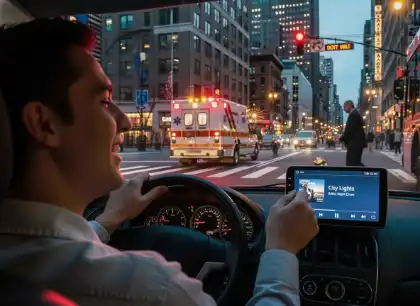
In-car entertainment is one of the most visible areas of personalization. Curated playlists, podcasts, and content recommendations make rides more engaging. This transforms travel time into a more enjoyable experience.
Privacy and data security are important considerations in this process. Users need to trust that their information is handled responsibly. Transparent policies and secure systems are essential for building confidence.
Personalization can also support accessibility. By adapting to individual needs, platforms can create more inclusive experiences. This ensures that a wider range of users can benefit from the service.
Brands can leverage personalization to deliver more relevant messaging. Instead of generic ads, they can create content that aligns with user interests. This increases engagement and effectiveness.
As technology continues to evolve, personalization will become even more advanced. Real-time data and predictive analytics will enable deeper levels of customization. This will further enhance the user experience.
Competition in the mobility industry is driving innovation in personalization. Companies are constantly looking for new ways to stand out. Offering a tailored experience is one of the most effective strategies.
The shift toward personalization reflects a broader trend across industries. Users expect services that adapt to them, not the other way around. Mobility platforms must keep up with these expectations.
Ultimately, personalization is shaping the future of rideshare. It transforms transportation into a user-centric experience, where every journey feels unique, comfortable, and meaningful.